
Kevin Warsh Age, Wife, Family, Biography
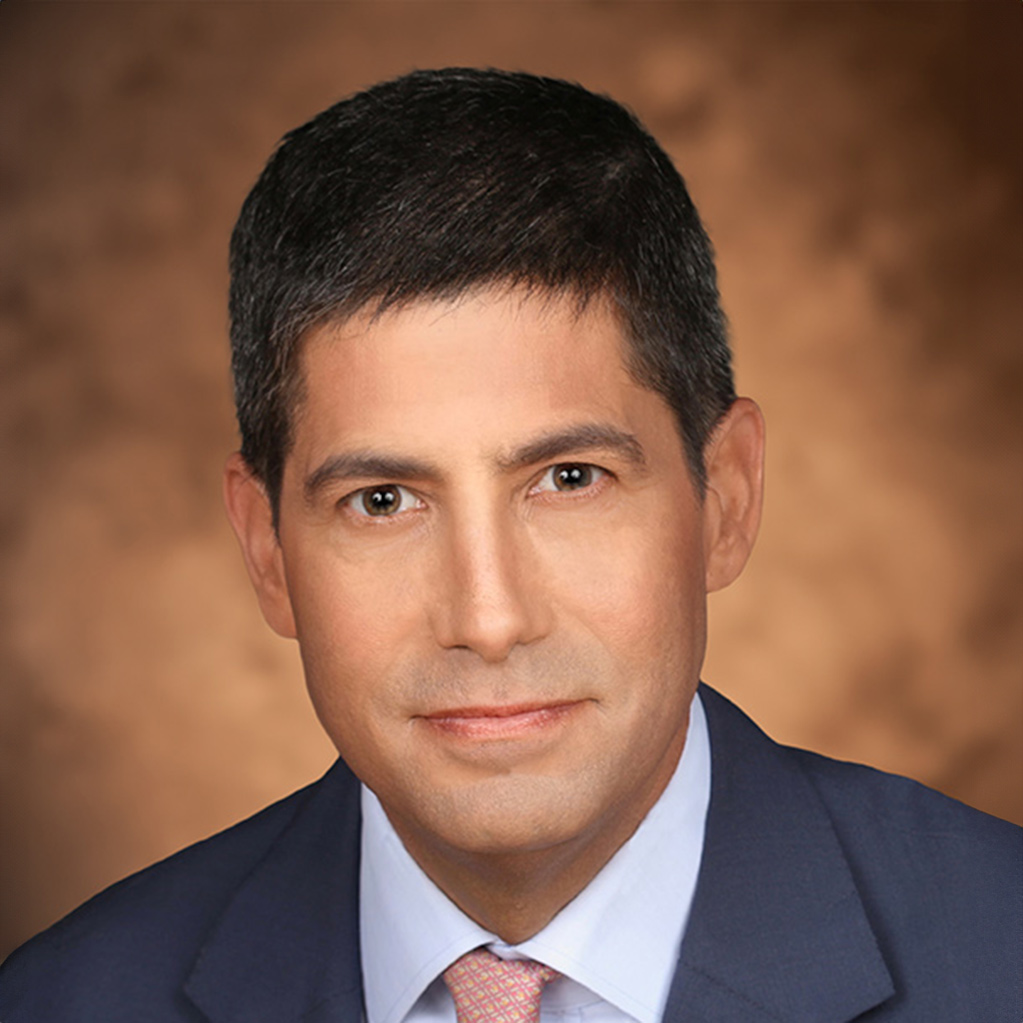
| Bio/Wiki | |
|---|---|
| Full Name | Kevin Maxwell Warsh |
| Profession(s) | Financier, Bank Executive |
| Physical Stats | |
| Eye Colour | Black |
| Hair Colour | Black |
| Career | |
| Major Designation(s) | • Member of the Federal Reserve Board of Governors (24 February 2006-31 March 2011) • Chair of the Federal Reserve (Nominee) (January 2026) |
| Achievement | Named "40 under 40" by Fortune Magazine (2009) |
| Personal Life | |
| Date of Birth | 13 April 1970 (Monday) |
| Age (as of 2025) | 55 Years |
| Birthplace | Albany, New York, United States |
| Zodiac sign | Aries |
| Nationality | American |
| Hometown | Loudonville, New York |
| School | Shaker High School, Latham, New York |
| College/University | • Stanford University, Stanford, California • Harvard Law School, Cambridge, Massachusetts • MIT Sloan School of Management, Cambridge, Massachusetts • Harvard Business School, Boston, Massachusetts |
| Educational Qualification(s) | • Bachelor of Arts in Public Policy (Economics and Political Science) from Stanford University (1992) • Graduated cum laude with a J.D. from Harvard Law School (1995) • A course in Market Economics and Debt Capital Markets from MIT Sloan School of Management and Harvard Business School |
| Religion | Christianity |
| Relationships & More | |
| Marital Status | Married |
| Marriage Date | Year, 2002 |
| Family | |
| Wife/Spouse | Jane Lauder (billionaire heiress and granddaughter of Estée Lauder founders)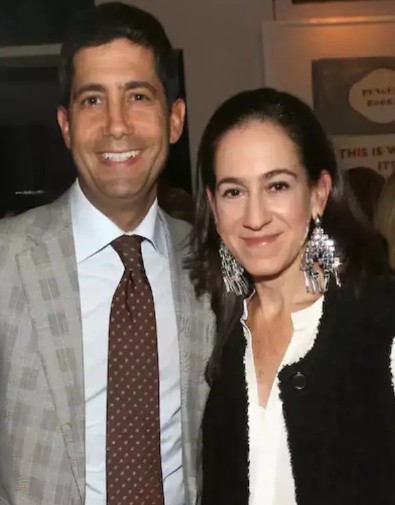 |
| Parents | Father- Robert Warsh Mother- Judith Philipson Warsh |
| Siblings | 2 |
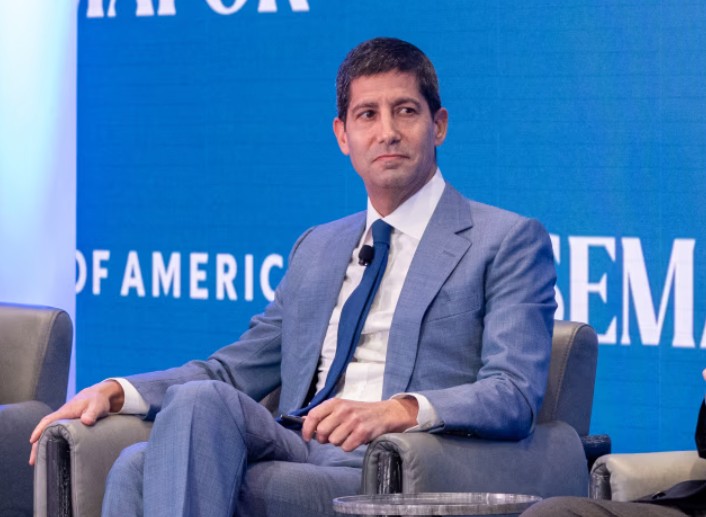
Some Lesser Known Facts About Kevin Warsh
-
Kevin Warsh often states that his upbringing in New York taught him many things that he needed to know about the real economy.
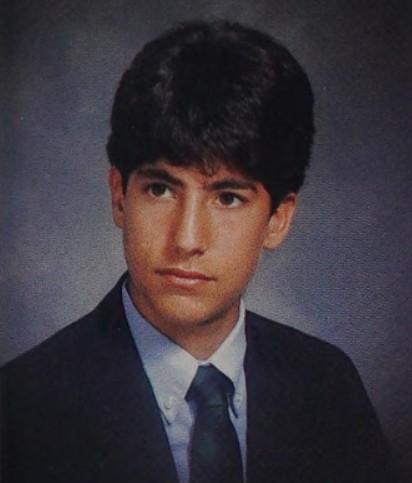
A childhood picture of Kevin Warsh
-
From 1995 to 2002, he worked at Morgan Stanley in New York City. During this period, he worked as an executive director in the mergers and acquisitions department.
-
In 2002, Kevin Warsh started working as a Special Assistant to the President for Economic Policy and Executive Secretary of the National Economic Council under President George W. Bush. He served in the position till 2006.
-
During this period, he worked in the department of domestic finance, banking, securities regulation, and consumer protection.
-
Kevin Warsh also advised the President and top officials on U.S. economic issues, including fund flows in capital markets, securities, banking, and insurance.
-
He then worked as a mediator between the administration and independent financial regulators in the President’s Working Group on Financial Markets.
-
On 27 January 2006, President George W. Bush nominated him and Randall Kroszner to fill two Federal Reserve Board vacancies.
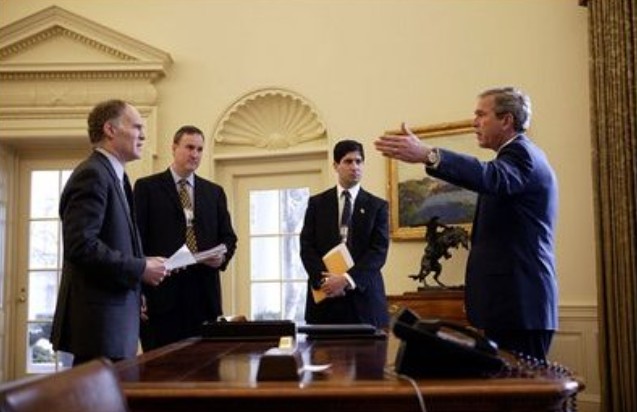
President George W. Bush, during a meeting with members of his National Economic Council in the Oval Office on 10 February 2004 (From left) Director Stephen Friedman, Brian Reardon, and Kevin Warsh
-
After that, Kevin Warsh’s nomination faced criticism due to his age and lack of experience.
-
When he was 35 years old, he became the youngest Federal Reserve Board appointee.
-
During this period, Preston Martin, a former Federal Reserve Board vice chairman, said that it was not a good idea and he would vote no on the same.
-
In confirmation documents, Kevin Warsh listed two writings, i.e.”Deciding to Run for Congress: An Opportunity Cost Model with Partisan Implications” and “Corporate Spinoffs and Mass Tort Liability.”
-
On 14 February 2006, during his hearing, he stated that his 7 years of career at Morgan Stanley in New York City were beneficial.
-
On 24 February 2006, Kevin Warsh started working as a Member of the Federal Reserve Board of Governors. He served in the position till 31 January 2018.
-
In March 2006, he attended his first Federal Open Market Committee (FOMC) meeting, a policymaking organisation of the Federal Reserve Board.
-
In 2008, Kevin Warsh played an important role in handling the financial crisis.
-
Author David Wessel once claimed that Warsh acted as the chairman’s protector in Republican circles and Bernanke’s link to Wall Street CEOs.
-
Bernanke once stated that Don Kohn, with Fed experience, and Kevin Warsh, with Wall Street and political contacts and finance knowledge, were his main partners during the financial crisis.
-
During the crisis, Kevin Warsh tried to arrange mergers between Citigroup and Goldman Sachs, and Wachovia and Goldman Sachs. However, the efforts failed.
-
On 20 September 2008, he got a chance to deal with his old employer, Morgan Stanley.
-
The next day, Morgan Stanley became a bank holding company to get Federal Reserve loans and saved the firm.
-
The Wall Street Journal claimed that Timothy Geithner, New York Fed president, and Kevin Warsh, a Fed governor and ex-Morgan Stanley executive, worked on details in New York with Goldman and Morgan Stanley.
-
Some editors published that Kevin Warsh was in the inner circle of Ben Bernanke during the panic, and his experience at Morgan Stanley gave him a deep understanding of the real estate of Wall Street.
-
Before the panic, he warned his colleagues at the Federal Reserve Board that the financial system had less capital.
-
On 18 March 2008, during a Fed meeting, Kevin Warsh stated that the business model of investment banks was at risk and might not survive.
-
Bernanke told Warsh to create a financial reform program to reduce future risks.
-
Bernanke wrote that in 2008, during the crisis, the Fed started working on reform proposals, and he wanted a clear position before legislative debates.
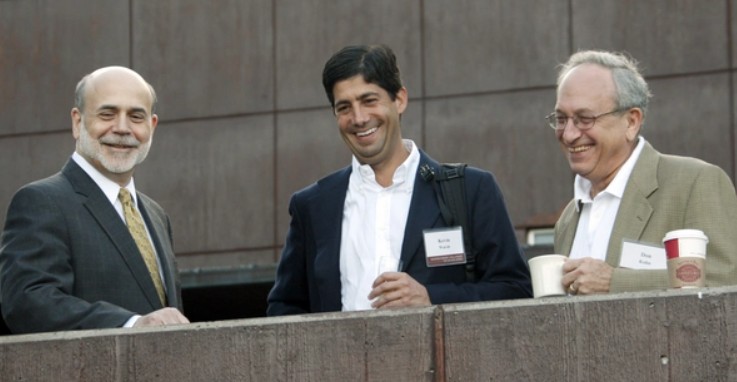
Kevin Warsh (middle) with Ben Bernanke (left)
-
After that, Kevin Warsh led a committee of Board members and Reserve Bank presidents, who decided the key principles.
-
Warsh’s committee recommended a ‘macroprudential’ approach to supervision and regulation, which focused on the whole system, not only individual firms.
-
Reportedly, Kevin Warsh warned throughout 2008 that inflation would rise even with financial problems and a weak economy.
-
In March 2008, he claimed that there was little reason to think inflation would drop, and it might get worse and last longer.
-
In June 2008, Kevin Warsh said that inflation risks were the biggest threat to the economy.
-
In September 2008, many economists and observers, including conservatives, stated that his focus on inflation and missing deflation risks made the crisis worse.
-
Kevin Warsh said that he calmed people with the unreasonable view to tighten policy when the economy and financial system were unstable, and inflation pressures were reducing.
-
He shared his main worries about long-term QE in a meeting with Bernanke.
-
He said that the continued QE caused the wrong use of money in the economy and wrong duties in government. These problems hide under other names and last for years. They then hit hard at bad times and hurt the economy.
-
In September 2009, with unemployment at 9.5% and rising, Warsh said that the Fed should cut back help for the real economy. He claimed that high reserves and bank assets might cause too much lending if they wait too long for full recovery.
-
However, the high inflation he feared never came.
- In November 2010, at the FOMC meeting, Kevin Warsh doubted the Fed’s plan to boost economic activity and jobs by lowering long-term interest rates.
-
He said that the unemployment rate was near 10%, but he would only vote for QE2 to respect Chairman Bernanke.
- Kevin Warsh then claimed that if he led the Committee, he would not go that way, and most others should disagree. He explained his opposition,
The Fed was taking on burdens that should go to others for growth and jobs. The Fed accepted bad policies from others too easily instead of making them fix their long-standing mistakes. Fed officials often share views on taxes, spending, and regulations, but it’s rare for one to say monetary support should stop to force other government branches to adopt Fed-favoured policies.”
Bernanke wrote about Warsh’s QE2 doubts,
He backed the first round during the crisis but now saw limits as markets normalised. Warsh believed more purchases risked inflation and financial stability, and others in Washington should share the policy load. He voted yes as promised, but soon gave a New York speech and Wall Street Journal op-ed, airing his concerns. He said monetary policy alone couldn’t fix the economy and pushed for tax and regulatory changes to boost productivity and growth. Bernanke agreed others should help growth, like infrastructure spending for jobs and long-term gains, but nothing was expected elsewhere. The Fed was the only active player despite imperfect tools.”
- After three months, Kevin Warsh left the Board, not over policy fights but per the original five-year plan from 2006.
-
On 10 February 2011, he announced his resignation to President Barack Obama. The resignation was effective from 31 March 2011.
-
When he left the Fed, Larry Kudlow, a CNBC reporter, expressed disappointment and called Warsh a “hard money hawk.”
-
Kevin Warsh works as a Shepard Family Distinguished Visiting Fellow at the Hoover Institution, Stanford University.
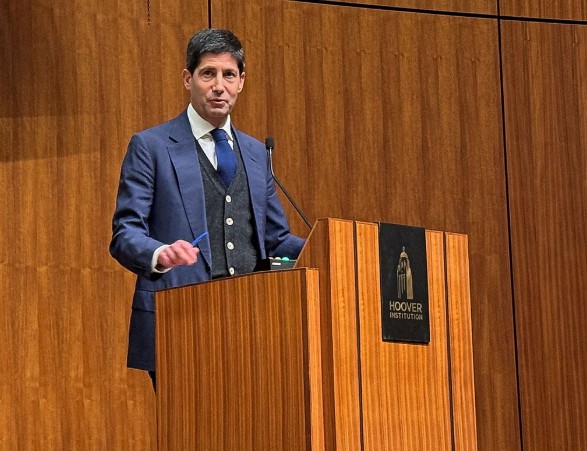
Kevin Warsh during a speech at Hoover Institution, Stanford University
- He is a scholar and lecturer at the Stanford Graduate School of Business.
- Kevin Warsh serves on the board of directors for e-commerce companies Coupang and UPS.
- He is an advisory board member for Rubicon Global.
- In December 2016, Kevin Warsh joined a business forum with then-president-elect Donald Trump for advice on economic issues.
- In November 2024, Donald Trump reportedly shortlisted Warsh for Treasury Secretary and Federal Reserve Chair.
- In April 2025, Kevin Warsh delivered a speech on “Central Banking at a Crossroads” to the Group of Thirty and the IMF on Fed policy and independence.
- In October 2025, Scott Bessent, a U.S. Treasury Secretary, said that Warsh was one of five candidates that President Donald Trump considered to replace Fed Chair Jerome Powell, after his term ended in May 2026.
- Trump said about Kevin Warsh’s possible nomination in the media. Trump said,
He’s very highly thought of.”
- One of the media outlets claimed that they would welcome Warsh’s nomination because of his experience in the Fed and Wall Street’s view that he would not always work according to Trump’s wishes.
- In January 2026, a news media reported that the Donald Trump administration planned to name Warsh as chair.
- On 30 January 2026, Trump formally announced Warsh’s nomination.
- Thom Tillis, U.S. Senator and a Republican on the Senate Banking Committee, said that he would oppose Warsh’s nomination until the federal investigation into Powell was completely and transparently resolved.
- The Senate Banking Committee consisted of 13 Republicans and 11 Democrats. Tillis blocked the committee from voting to send Warsh’s nomination to the full Senate.
- Senate Majority Leader John Thune claimed that Kevin Warsh would probably not get selected without Tillis’s support.
- David Bahnsen, chief investment officer of The Bahnsen Group, said that Warsh had a name and respect in financial markets.
 Gregory Bovino Age, Family, Biography
 Ashley Tellis Age, Biography
 Mathura Sridharan Husband, Biography
 Monica Crowley Age, Family, Biography
 Thomas Massie Age, Wife, Children, Family, Biography
 Michael Kurilla Age, Wife, Children, Family, Biography
 Bobby Mukkamala Age, Wife, Children, Family, Biography
 Jared Kushner Height, Age, Wife, Family, Biography