
Cheruvayal Raman Age, Death, Wife, Children, Family, Biography
Quick Info→
Age: 74 Years
Death Date: 14/10/2026
Wife: Geetha
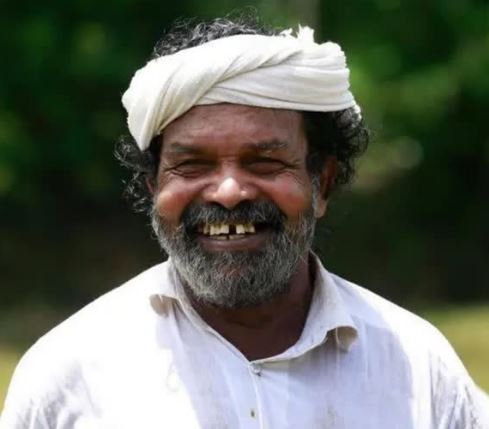
| Bio/Wiki | |
|---|---|
| Full Name | Cheruvayal K. Raman |
| Other Name | • Thakakkara Cheriyaraman • Cheruvail Raman |
| Nickname(s) | • Guardian of rare seeds • Nellachan |
| Profession | Farmer |
| Known for | Safeguarding over 55 indigenous rice varieties |
| Physical Stats | |
| Eye Colour | Light Brown |
| Hair Colour | Salt and Pepper |
| Career | |
| Awards, Honours, Achievements | • Genetic Conservation Award (2016) • National Plant Genome Savior Award (2016) • Padma Shri (2023) • Kerala State Farm Award (2025) |
| Personal Life | |
| Date of Birth | 6 June 1952 (Friday) |
| Birthplace | Wayanad, Kerala, India |
| Date of Death | 14 October 2026 |
| Place of Death | Kozhikode, Kerala |
| Age (at the time of death) | 74 Years |
| Death Cause | Age related illness |
| Zodiac sign | Gemini |
| Nationality | Indian |
| Hometown | Wayanad, Kerala |
| School | Kammana Navodaya L. P. School, Wayanad |
| Educational Qualification | Fifth Grade |
| Religion | Hinduism |
| Tribe | Kurichiya |
| Relationships & More | |
| Marital Status (at the time of death) | Married |
| Family | |
| Wife/Spouse | Geetha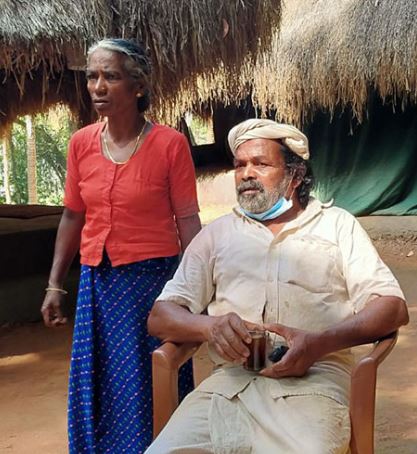 |
| Children | Son(s)- 2 • Ramesan • Rajesh Daughter(s)- 2 • Ramani • Rajitha 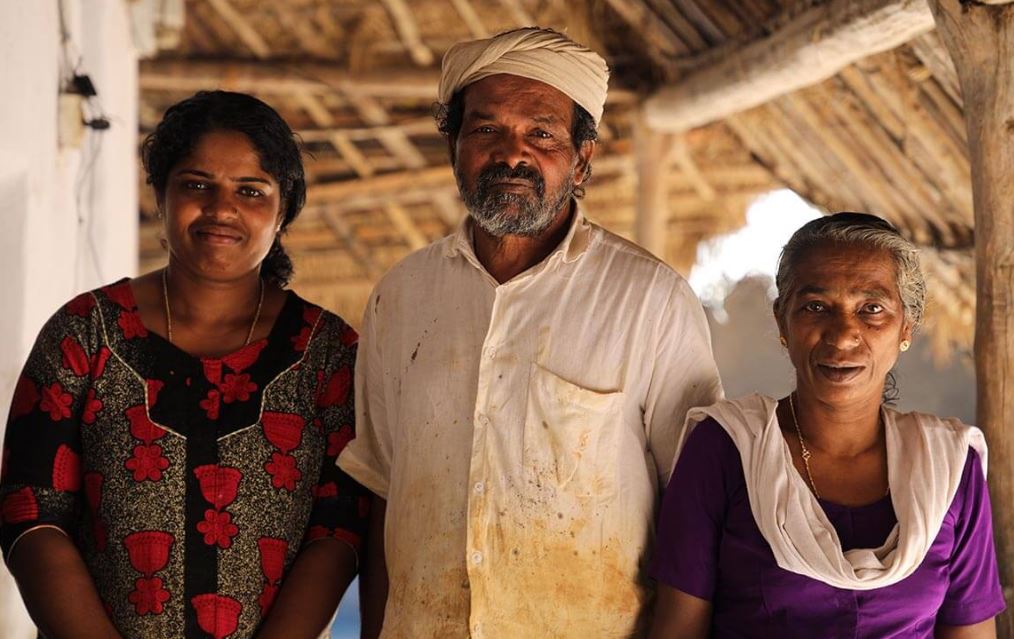 |
| Parents | Father- Kelappan Mother- Theyi |
Some Lesser Known Facts About Cheruvayal Raman
- Cheruvayal Raman belonged to the Kurichya tribal community.
- When he was two years old, he lost his father so he grew up under the care of his maternal uncle. In an interview, Raman shared that his uncle played an important role in his upbringing and introduced him to traditional farming.
- At the age of 10, he left school after fifth grade and began working in the fields with his maternal uncle.
- In 1969, he received an offer to work as a warden at the District Medical Office in Kannur. However, he declined the job because he wanted to continue farming.
- In 1970s, as farmers in Wayanad increasingly adopted hybrid seed and chemical, Raman continued growing traditional rice varieties.
- In 1989, Raman’s maternal uncle died, leaving Raman responsible for maintaining the family’s farming tradition and inherited seeds. This responsibility strengthened his commitment to traditional agriculture.
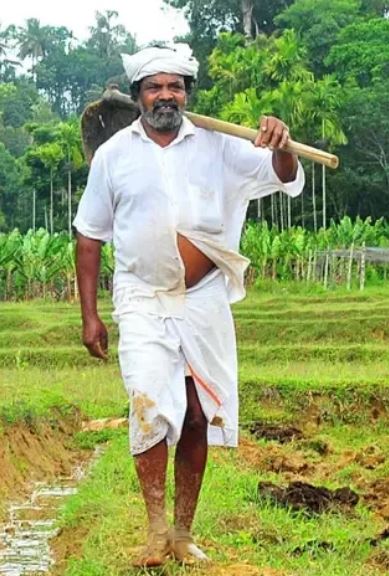
- In 2000s, Raman developed a collection of traditional rice varieties on his farm in Kammana, near Mananthavady. He grew varieties regularly to maintain a fresh supply of seeds instead of simply storing them.
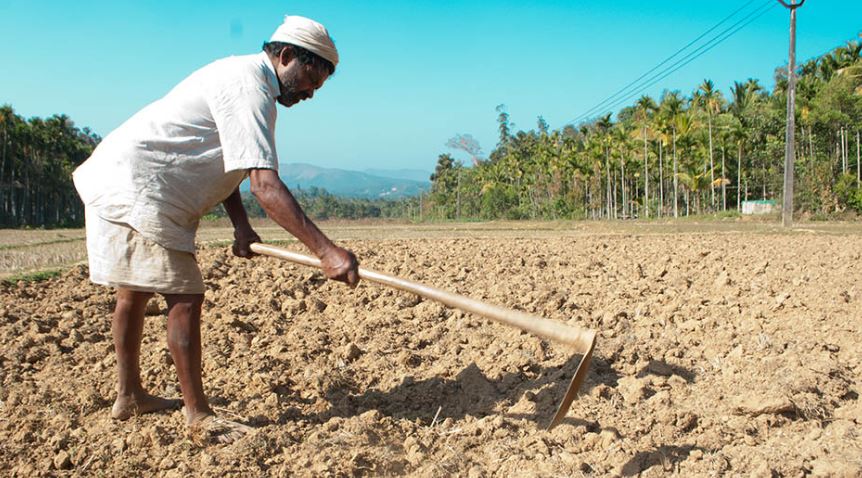
Cheruvayal Raman, while working in his farm
- Through years of practical experience, Raman preserved dozens of traditional rice varieties. He also learned to identify rice varieties by observing their size, shape, colour, and other characteristics.
- In an interview, Raman shared that he used traditional materials such as bamboo containers and straw baskets to store seeds. He added that he also dried seeds before storage and continued cultivating them to maintain their ability to germinate.
- He gave rice seeds to other farmers and asked them to return the same amount after harvesting their crops. This helped him preserve traditional rice varieties and share them with more farmers.
- In 2012, the Kerala State Biodiversity Board recognized Raman with the Green Individual Award for his contribution to biodiversity conservation.
- In 2013, Raman received Plant Genome Saviour recognition for his efforts to conserve traditional crop varieties and preserve farmers’ knowledge.
- In 2015, the Indian Institute of Rice Research recognized his contribution to rice cultivation and the promotion of rice varieties and farming technologies.
- In 2016, Raman received the Genome Saviour Award from the Protection of Plant Varieties and Farmers’ Rights Authority for conserving traditional rice varieties and protecting plant genetics resources.
- In 2018, Raman was invited to the Belém 30 International Conference on Nature in Brazil, where his participation brought attention to traditional farming and seed conservation.
- In the same year, Habitat School in Ajman, United Arab Emirates, honoured Raman at an agricultural festival for his contribution to traditional agriculture.
- In 2019, Raman participated in the Kerala State Biodiversity Congress and received recognition from Tamil Nadu Agricultural University.
- In 2023, the Government of India awarded him with the Padma Shri in the agriculture category for his contribution to sustainable agriculture, biodiversity conservation, and the preservation of traditional rice varieties.
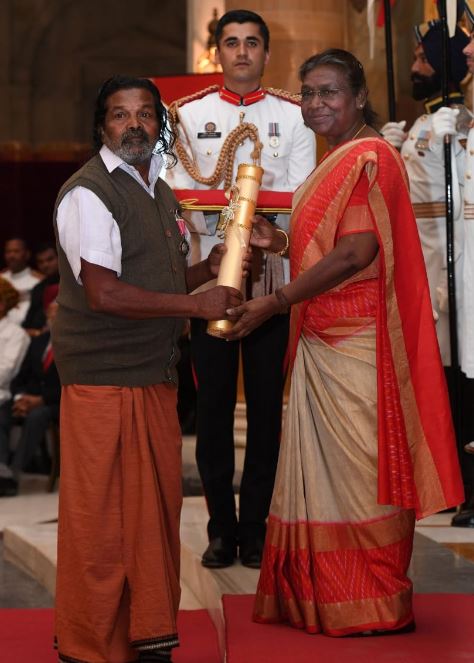
Cheruvayal Raman while receiving Padma Shri in 2023 from President Droupadi Murmu
- Some of the rice varieties Raman preserved were believed to be more than 150 years old. His famous rice collection included Chennelu, Thindi, Veliyan, Kalladiyaran, Mannu Veliyan, and Chembakam, as welll as aromatic varieties such as Gandhakashala, Jeerakasala, and Kayama.
- The traditional rice varieties, Palthondi and Kayama from Raman’s collection used as gene donors for rice variety development at the Kerala Agricultural University.
- Despite owning and cultivating inherited farmland with his wife, Geetha, Raman struggled financially because he prioritized seed conservation over commercial farming. Reportedly, in 2022, he suffered annual loss of around Rs 70,000 from cultivating and preserving the seeds.
- In an interview, Raman shared that his dedication to saving traditional seeds was so great that he sometimes forgot to consider his family’s food needs. He added that despite being a rice farmer, his family sometimes depend on rice supplied through the government ‘s ration system.
- In 2025, the People’s Archive of Rural India documented Raman’s work in conserving indigenous rice varieties and preserving traditional farming knowledge in Wayanand.
- On 14 October 2026, Raman passed away while receiving treatment at Government Medical College Hospital in Kozhikode, Kerala.
- On 15 October 2026, he received a funeral with state honours,
- People in Kerala affectionately called Cheruvayal Raman, Nellachan, meaning the father of rice. He earned this name through his lifelong efforts to protect rare rice seeds and encourage farmers to continue growing traditional varieties.
 Aalia Neelum Age, Biography
 Ilia Malinin Height, Age, Family, Biography
 Shubha Mudgal Age, Husband, Children, Family, Biography & More
 Derek Peth Height, Weight, Age, Affairs, Wife, Biography & More
 Anna Mani Age, Death, Family, Biography
 Kaizad Bharucha (Banker) Age, Biography
 Kanimozhi Age, Caste, Husband, Children, Family, Biography & More
 Mathura Sridharan Husband, Biography