
Rachita Taneja Age, Biography
Quick Info→
Religion: Hinduism
Hometown: Bangalore, Karnataka
Age: 29 Years
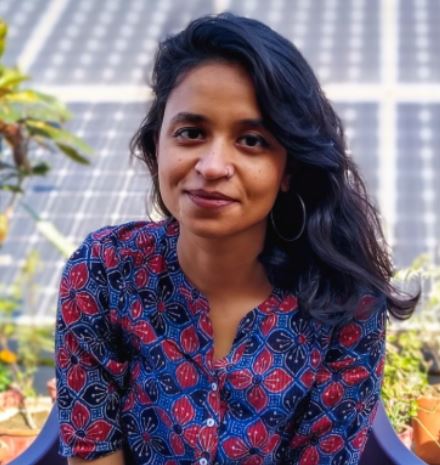
| Bio/Wiki | |
|---|---|
| Profession | Caricaturist |
| Known For | Being the cartoonist behind the well-known comic strip Sanitary Panels |
| Physical Stats | |
| Eye Colour | Black |
| Hair Colour | Black |
| Career | |
| Award | Kofi Annan Courage in Cartooning Award (2024) |
| Personal Life | |
| Date of Birth | 20 August 1996 (Tuesday) |
| Age (as of 2025) | 29 Years |
| Birthplace | New Delhi, India |
| Zodiac sign | Leo |
| Nationality | Indian |
| Hometown | Bangalore, Karnataka |
| College/University | University of Delhi |
| Educational Qualification | A bachelor's degree in Mass Media and Communication |
| Religion | Hinduism |
| Tattoo(s) | • On the right forearm: A leaf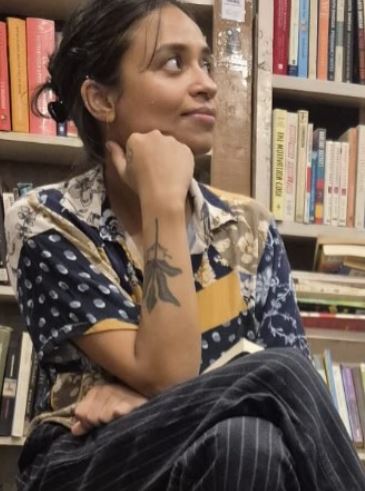 • On the left forearm: Multiple tattoos with some words 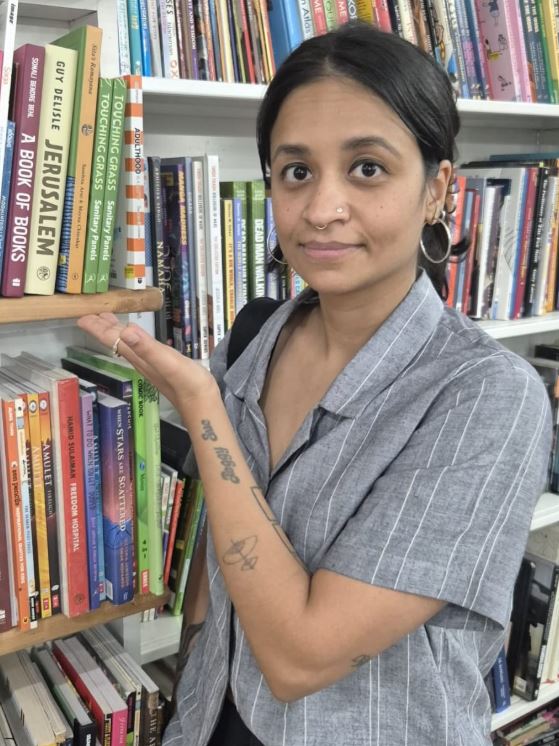 |
| Controversy | In December 2020, a complaint was filed by a law student against Rachita Taneja after she a posted political cartoon on her platform Sanitary Panels that criticised the Supreme Court of India and journalist Arnab Goswami's bail case. In one of her cartoons, Arnab was standing between the BJP and the Supreme Court. After the complaint, Attorney General K. K. Venugopal, approved contempt of court proceedings against her, stating that cartoons appeared to insult to the judiciary. This case sparked a nationwide debate on freedom of speech in India. More than 600 artists and activists publicly supported her after the contempt proceedings were started against her over cartoon criticizing the judiciary. [1]LiveLaw.in |
| Social Media | • Instagram |
| Parents | Father- (Retired Indian Navy Personnel) |
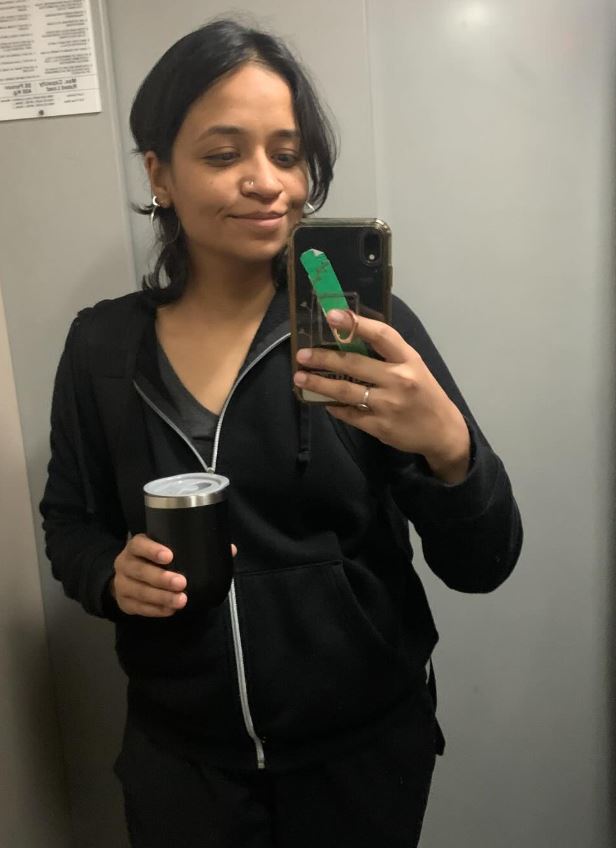
Some Lesser Known Facts About Rachita Taneja
- Rachita Taneja was born in New Delhi and raised in Bangalore, India.
- She moved to New Delhi to pursue a bachelor’s degree in Mass Media and Communication from the University of Delhi and then she moved back to Bangalore.
- In 2012, Rachita joined a non-profit organisation, Greenpeace India, Bangalore as a Social Media Officer.
- In 2013, she joined the non-profit advocacy group Jhatkaa.org as Campaigns Manager and founding staff member, where she worked on human rights and activism campaigns.
- In 2014, Taneja started her webcomic Sanitary Panels after seeing people were arrested under the Section 66A of the IT Act, in response to people being arrested for denouncing Prime Minister Narendra Modi on the social media platform.
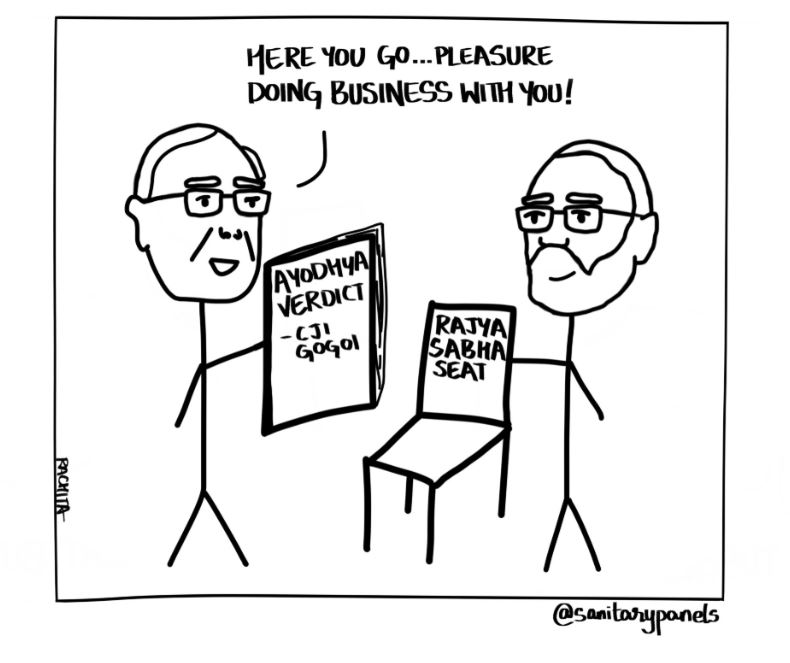
A screenshot from Rachita Taneja’s webcomic series Sanitary Panels
- In an interview, Rachita shared that initially, she drew simple doodles on her tablet and shared them only with friends before the comics became popular online.
- When she found that her work was collecting a lot of positive attention, she opened an official Facebook page for her webcomic on 15 June 2014.
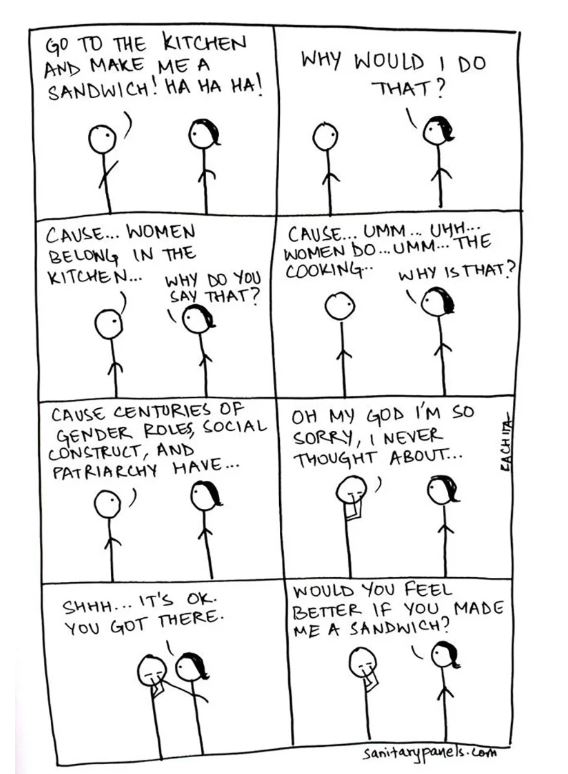
A screenshot of Rachita Taneja’s comic on gender stereotype from her webcomic series Sanitary Panels
- Taneja chose the name Sanitary Panels because she wanted a taboo and attention-grabbing title linked to sanitary pads.
- After her webcomic became popular, she shared many times in interviews that she did not know professional drawing when she first started making comics and learned through practice. She added that she chose simple stick figures in her comics because she wanted people focus more on the message she wanted to convey through her artwork.
- In her comics, she openly discussed topics which were still considered taboos by many people, including menstruation, mental health, LGBTQ+ rights and feminism.
- In 2015, Rachita became one of the active voices in India, supporting the net neutrality movement. She raised her voice through her comics and by participating in campaigns.
- In 2016, Taneja co-founded the Internet Freedom Foundation, an organization works for net neutrality, free speech, and privacy in India.
- She is also an active supporter of #Mee Too Movement.
- In 2017, her webcomic series Sanitary Panels was covered by the Obama Foundation in a YouTube video. In the video, Taneja talked about the responsibility she feels to make her content as accurate and fair as possible as it reaches millions of people. She added that she wants to contribute to social justice through her comic artwork.
- In 2019, her comics were widely used in protests against the Citizenship (Amendment) Act.
- In the same year, as a part of her work with the Internet Freedom Foundation, she publicly spoke against internet shutdowns in states like, Assam, Tripura and Jammu & Kashmir
- Her comics and artwork started getting published in Forbes India in July 2019. One of her earliest publications included “Comic: Mumbai-Ahmedabad bullet train speeds through the mangroves.”
- Later, during 2019 and 2020, she regularly contributed comics on political and social issues to Forbes India, under her Sanitary Panels series.
- In 2023, Rachita appeared in a documentary series title, Draw for Change!. The series focussed on women cartoonists using art for activism.
- In November 2023, she was invited to the World Forum for Democracy in Strasbourg to testify about the censorship she was subjected to in December 2020.
- In 2024, Taneja received Kofi Annan Courage in Cartooning Award for her political cartoons and her support for free speech.
- In May 2026, Rachita Taneja came into news after she released a new book titled Touching Grass, which is a collection of comic strips and essays selected from the last 12 years of her work on Sanitary Panels.

The cover of Rachita Taneja’s book Touching Grass
- In an interview, she mentioned that the idea behind her book was to encourage people to take a break from social media and reconnect with real world.
- Rachita Taneja’s webcomic series Sanitary Panels completed 12 years in 2026.
- Because of her feminist and political cartoons on social media and political issues, Rachita regularly faced online trolling and criticism.
 Gautam Benegal Age, Death, Wife, Children, Family, Biography & More
 Scott Adams Age, Wife, Family, Biography
 Manoj Pandit (Actor) Height, Weight, Age, Wife, Biography & More
 Rajneesh Kapoor Age, Wife, Children, Family, Biography & More
 Darrin Bell Height, Age, Girlfriend, Wife, Children, Family, Biography
 Seth MacFarlane Height, Age, Girlfriend, Family, Biography
 Arnab Goswami Height, Age, Wife, Family, Children, Caste, Biography & More
 Natalia Barulich Height, Age, Boyfriend, Family, Biography & More
References/Sources: