
Solomon Pappaiah Age, Death, Wife, Children, Family, Biography
Quick Info→
Death Cause: Age Related Illness
Age: 90 Years
Death Date: 11/09/2026
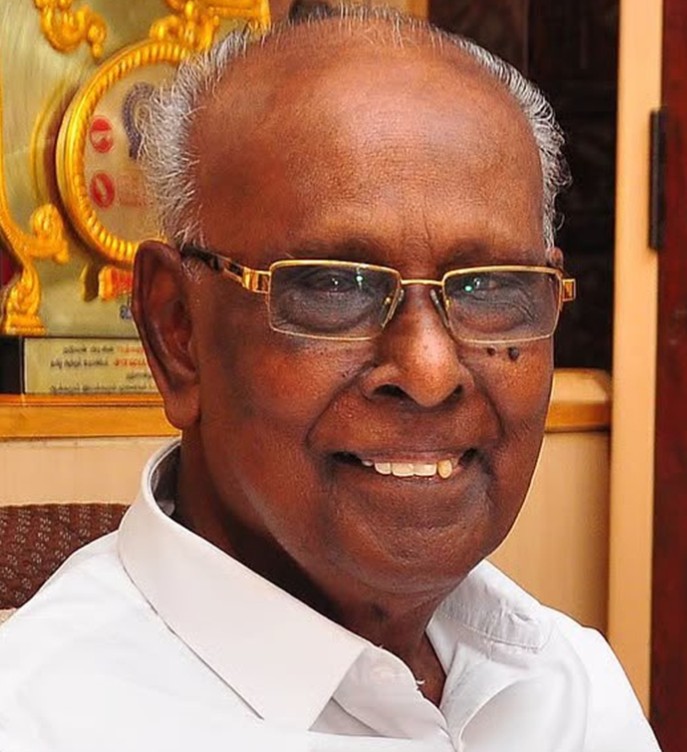
| Bio/Wiki | |
|---|---|
| Real Name/Full Name | Sundaram Solomon Pappaiah |
| Nickname | "Pattimandram" Pappaiah |
| Profession(s) | • Scholar • Actor • Journalist • Television Personality |
| Known for | Being a Pattimandram (Debate) Moderator |
| Physical Stats | |
| Eye Colour | Black |
| Hair Colour | Grey (blad) |
| Career | |
| Debut | Film: Pudhu Varusham (1992)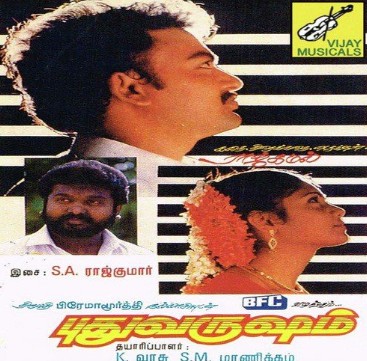 |
| Last Film | Sivaji: The Boss (2007) |
| Awards & Honour(s) | • Referred to as "Tamil Arignar" and "Iyal Kalai Arignar" • Kalaimamani award by the Government of Tamil Nadu (2000) • Annamalai University conferred him with "Muthamizh Perarignar" award (2010) • Padma Shri by the Government of India (2021) |
| Personal Life | |
| Date of Birth | 22 February 1936 (Saturday) |
| Birthplace | Sathangudi, Madurai, Madras Presidency, British India |
| Date of Death | 11 September 2026 |
| Place of Death | Madurai, Tamil Nadu |
| Age (at the time of death) | 90 Years |
| Death Cause | Age Related Illness |
| Zodiac sign | Pisces |
| Nationality | Indian |
| Hometown | Madurai, Madras |
| School(s) | • Velliveethiyar School, Madurai, Tamil Nadu • Tamil Evangelical Lutheran Church School, Tamil Nadu • American College Higher Secondary School, Madurai, Tamil Nadu |
| College/University | • The American College in Madurai, Tamil Nadu, India • Thiagarajar College, Madurai |
| Educational Qualification(s) | • Graduation in Economics • Postgraduation in Tamil |
| Religion | Christianity |
| Relationships & More | |
| Marital Status (at the time of death) | Married |
| Marriage Date | Year, 1971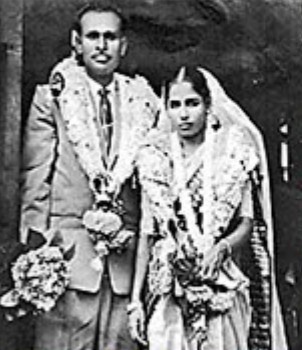 |
| Family | |
| Wife/Spouse | S. Jeyabhai (teacher) (died in January 2025)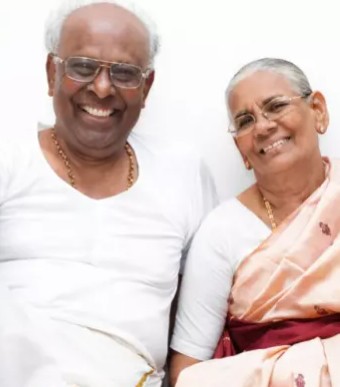 |
| Children | Son- Thiagamoorthy Daughter- Vimala Solomon 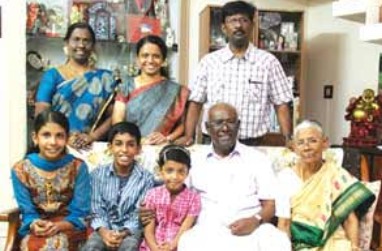 |
| Parents | Father- A. Sundaram (textile mill worker) Mother- S. Pakkiam |
| Siblings | 11 |
Some Lesser Known Facts About Solomon Pappaiah
- During his childhood, his family faced financial problems.
- His family later moved from Sathangudi to Madurai main city in search of better work.
- Once, during a media conversation, he stated that continuing his education was not easy because of poverty. He said that he might have had to leave his studies if his friends had not helped him financially.
- His friends supported him until he completed his higher studies. One of his relatives also helped his family to pay his college admission fees.
- During his school days, Solomon Pappaiah developed an interest in speaking and reading Tamil literature. His teachers then encouraged him to take part in speeches, competitions, debates, and cultural activities.
- He then chose Economics at the American College in Madurai.
- During his college studies, he became interested in Tamil.
- For his postgraduation, he chose Tamil honors at the Thiagarajar College, Madurai. He then became one of the students of the first batch of the college’s MA Tamil program.
- According to Solomon Pappaiah , his teachers, especially Professor Jothi Muthu, played an important role in developing his interest in Tamil and public speaking.
- After completing his formal education, he chose teaching and Tamil literature instead of taking a government clerical job.
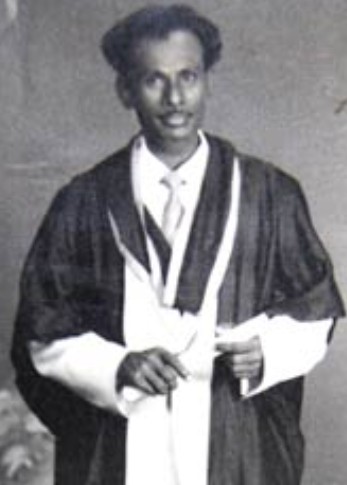
An old picture of Solomon Pappaiah
- In 1961, Solomon Pappaiah started working as a lecturer at the The American College, Madurai, Tamil Nadu. He later became a professor and then became the Head of the Department of Tamil. He worked at the college until his retirement in 1994.
- Apart from being a lecturer at the college, he also participated in college plays, which he wrote and directed.
- He believed that Tamil should not remain limited to textbooks and classrooms. He wanted ordinary people to understand and enjoy Tamil literature.
- He was inspired by many classical Tamil works, such as Thirukkural, Sangam literature, and Kambaramayanam.
- Reportedly, the works of ‘Bharathiyar’ later became an important part of his public speeches.
- After that, Solomon Pappaiah became best known for Pattimandram, a traditional Tamil debate in which two groups discuss opposite sides of a topic under a moderator or judge.
- In the early 1960s, he began participating in Pattimandrams, such as programmes organised by the Kamban Kazhagam.
- Initially, these debates were mainly based on Tamil literature. Pappaiah later took the subjects of the debates to villages and temple festivals across Tamil Nadu. He mentioned that village audiences were different from college and literary audiences. Therefore, the subjects were changed to topics connected with family life and everyday society.
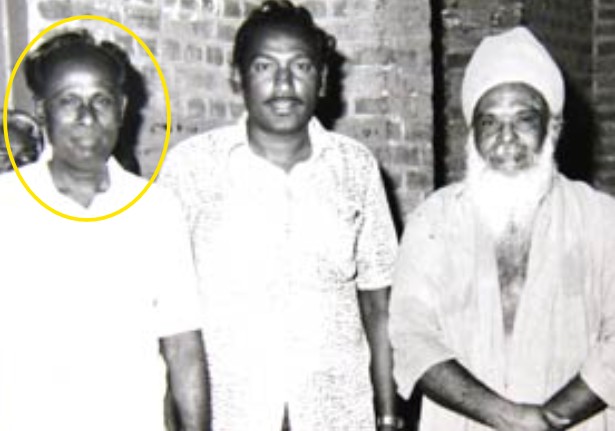
An old picture of Solomon Pappaiah
- These steps made the debates easier for ordinary people to understand.
- After that, Pattimandrams were held during temple festivals for many years. The speakers travelled from one village to another, sometimes receiving very little money and poor accommodation.
- Solomon Pappaiah continued the programs because he wanted more people to connect and enjoy Tamil discussions.
- One of his first Pattimandram programs were later telecasted by radio.
- In 1982, he appeared on Madras Doordarshan. At that time, the television signal could not reach large parts of Tamil Nadu.
- In 1984, a wider telecast gave him huge recognition.
- Later, many noted private television channels made his Pattimandrams a regular part of Tamil festivals.
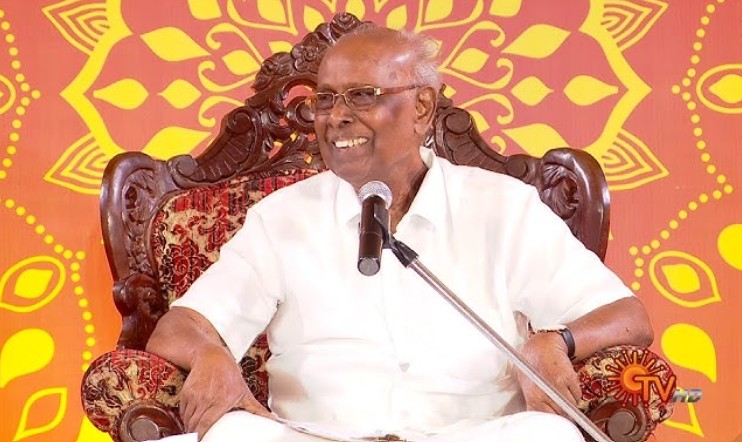
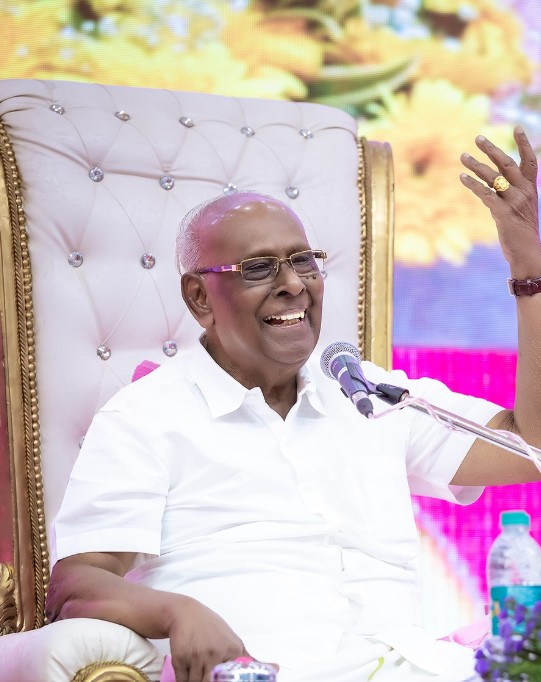
Solomon Pappaiah while speaking at a Pattimandram
- The programs that featured Solomon Pappaiah became popular during Pongal, Deepavali, and Tamil New Year.
- His discussions reportedly reached millions of homes through Sun TV.
- The number of Pattimandrams he organised were more than 12,000 for over six decades.
- He worked differently from many traditional scholars. He used simple and conversational Tamil. He could explain difficult ideas from old Tamil books in a way that ordinary people could understand.
- He was also famous for his humour and quick replies. His jokes were usually based on the topics which were being discussed rather than personal attacks.
- During a media conversation, Solomon Pappaiah once said that bad or offensive language should not be used simply to make people laugh.
- He had also travelled outside India as well for Pattimandram programs. He visited to Malaysia, Singapore, Indonesia, Hong Kong, France, the Middle East, England, Kenya, the United States, and Australia.
- Solomon Pappaiah had appeared in many Tamil films, such as Pudhu Varusham (1992), Boys (2003), Yes Madam (2003) and Sivaji: The Boss (2007).
- His appearance in Sivaji: The Boss, directed by S. Shankar and starring Rajinikanth, made him popular to a huge audience.
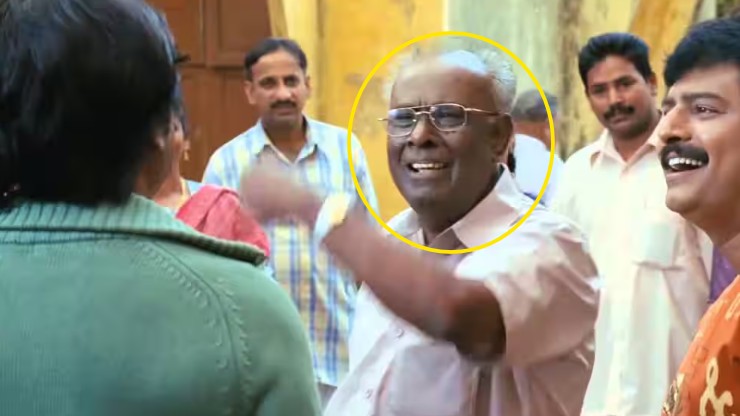
Solomon Pappaiah in a still from the film Sivaji: The Boss
- After the success of his film appearances, he received many more film offers. However, he did not make cinema his main career.
- Reportedly, he said no to more than 200 film offers because he wanted to continue his career in Tamil literature and public speaking.
- Solomon Pappaiah once spoke about working with Rajinikanth in the film Sivaji: The Boss. He said that he learned lessons about humility, discipline, and affection from Rajinikanth.
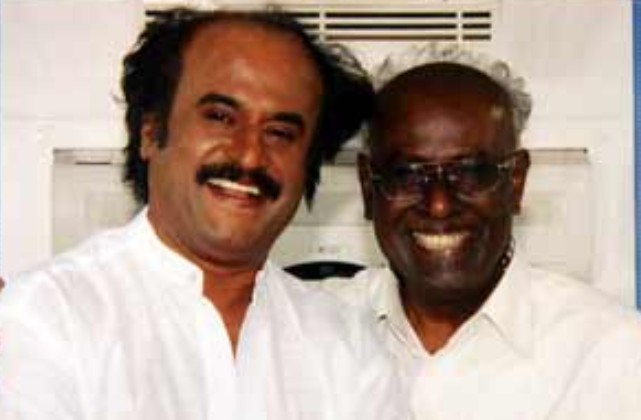
An old picture of Solomon Pappaiah with Rajinikanth
- In 2017, in an interview with a media outlet, Solomon Pappaiah remembered growing up in a compound where many mill workers lived. He often saw women gathering after finishing their household work and talking about their problems.
- He added that these experiences helped him to understand the daily struggles of women and changed the way he looked at his family and social issues.
- Solomon Pappaiah was not only a speaker, he was also a writer. He wrote about Tamil literature. Some of his works included Pattukottai Kalyanasundaram: Or Paarvai, Urai Malargal, Urai Kothu, Tirukkural Uraiyudan and Purananooru Puthiya Varisai Vagai.
- He also wrote commentaries and explanations on Tamil works by other writers. His explanations of the Thirukkural became especially popular.
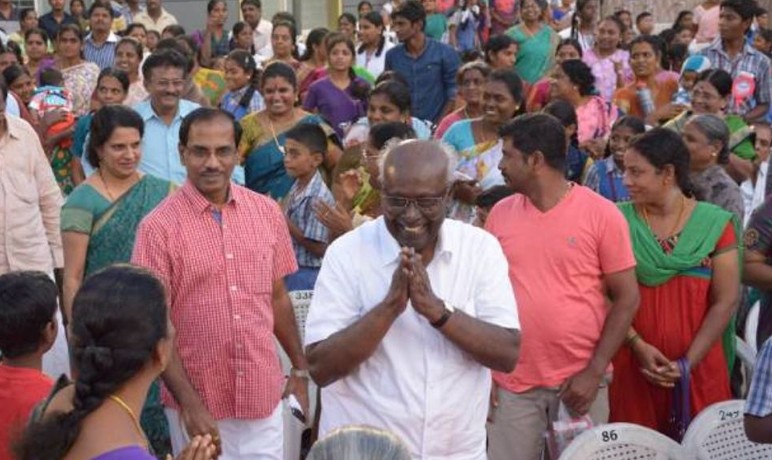
Solomon Pappaiah greeting people during an event
- After that, he introduced the couplets of Thiruvalluvar, through television and other programmes, to people who might not have read them.
- He then wrote about Kambar, Agananooru, and Purananooru. His aim was to explain old Tamil works in language that modern readers could follow.
- On 11 September 2026, Solomon Pappaiah died in Madurai, at the age of 90. He was suffering from age-related health problems. He had been receiving treatment after his health worsened.
 Karan Thapar (Journalist) Age, Wife, Children, Family, Biography & More
 Rajeev Pratap (Journalist) Age, Death, Wife, Family, Biography
 Dibang (News Anchor) Age, Wife, Family, Biography & More
 Sumit Awasthi (Journalist) Age, Wife, Family, Biography & More
 Shelly Kittleson (Journalist) Age, Family, Biography
 Suhasini Haidar Age, Husband, Children, Family, Biography & More
 Kuldip Nayar Age, Death, Wife, Children, Family, Biography & More
 Huda Zariwala Family, Biography