
Harish Rana (India’s First Passive Euthanasia Case) Age, Death, Family, Biography
Quick Info→
Death Date: 24/03/2026
Death Cause: Passive Euthanasia
Age: 31 Years

| Bio/Wiki | |
|---|---|
| Known for | Being the first Indian to be granted permission for passive euthanasia by the Supreme Court of India |
| Physical Stats | |
| Eye Colour | Black |
| Hair Colour | Black |
| Personal Life | |
| Date of Birth | Year, 1994 |
| Birthplace | Ghaziabad, Uttar Pradesh, India |
| Date of Death | 24 March 2026 |
| Place of Death | All India Institute of Medical Sciences (AIIMS), New Delhi |
| Age (at the time of death) | 31 Years |
| Death Cause | Passive Euthanasia |
| Nationality | Indian |
| Hometown | Ghaziabad, Uttar Pradesh |
| College/University | Panjab University, Chandigarh |
| Educational Qualification | B.Tech. Civil Engineering (pursuing in 2013) |
| Religion | Hinduism |
| Family | |
| Parents | Father- Ashok Rana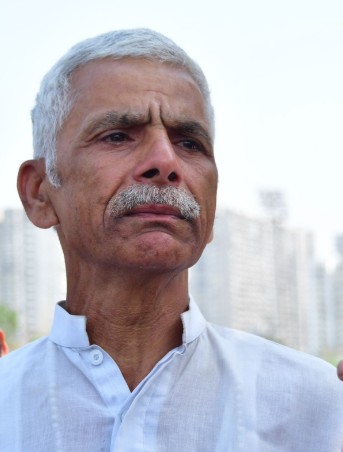 Mother- Nirmala Rana 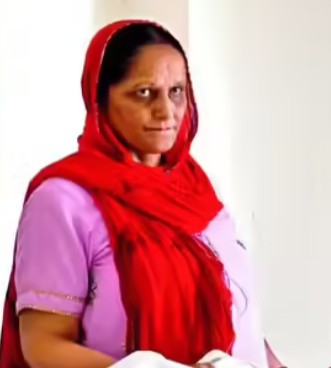 |
| Siblings | Brother- Ashish Rana |
Some Lesser Known Facts About Harish Rana
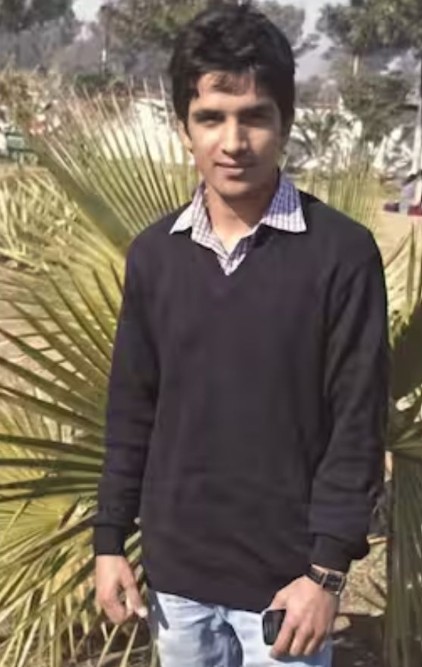
- On 20 August 2013, when Harish Rana was pursuing civil engineering at Panjab University, Chandigarh, he fell from the fourth floor of his PG accommodation.
- He suffered serious head injuries and went into a comatose state at PGIMER, Chandigarh.

An old picture of Harish Rana during his college days
- In 2024, his parents went to the Delhi High Court and appealed for passive euthanasia for Harish. However, the court rejected their appeal.
- The court stated in its verdict that he was not treated with any life support machines at that time, so he could sustain himself. The court said,
Able to sustain himself without any external aid.”
- During some media conversations, his parents claimed that they had spent all of their savings on Harish’s care, and questioned who would look after Harish after their death.
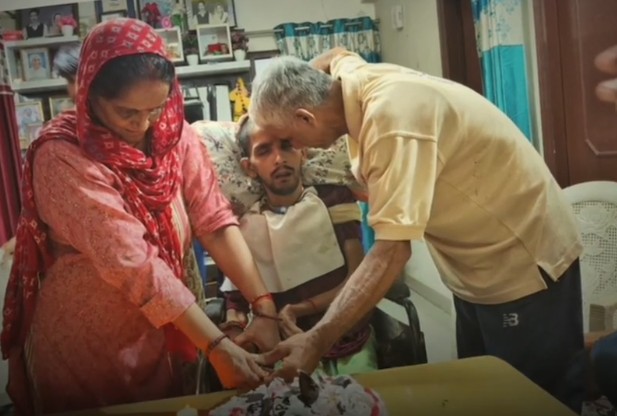
Harish Rana’s parents while celebrating his birthday
- After that, their appeal was rejected by the Supreme Court of India.
- In 2025, they again appealed in the Supreme Court of India when Harish Rana was put on life support machines. They claimed that Harish was kept alive artificially after his condition worsened.
- After the appeal, two medical boards were assigned by the Supreme Court of India to assess the condition of Harish Rana and considered his parents’ appeal.
- The living wills laws in India requires the certification from two medical boards that set the criteria for the removal of life support machines of a patient.
- The report by the two boards claimed that the chances of recovery in Harish Rana were negligible. There was no hope that he would ever live a normal life again, as he was fed with external support. He needed external bladder and body waste removal systems.
- According to the boards, his brain was permanently damaged and huge bed sores affected his skin.
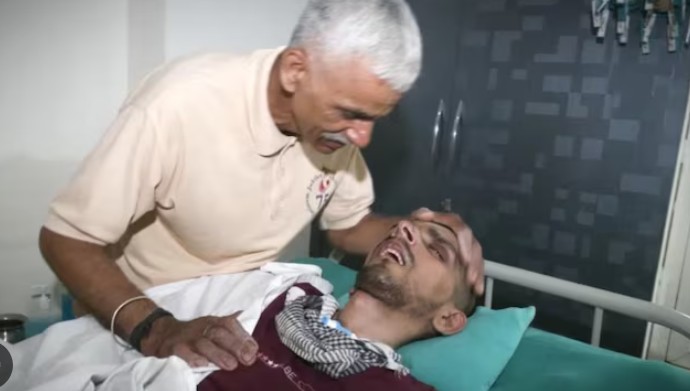
Harish Rana and his father
- On 11 March 2026, the Supreme Court of India asked the two boards to prepare their medical judgement in the case after Harish Rana stopped reacting to the medical facilities.
- After that, their plea was accepted by the Supreme Court of India, and Harish Rana was shifted to the Palliative Oncology Unit (IRCH) at AIIMS from his home.
- In its verdict, the court said,
To Harish’s family, we want to acknowledge the deep emotional weight this decision carries. This decision can feel like an act of surrender, but we believe it is, in truth, an act of profound compassion and courage. You are not giving up on your son. You are allowing him to leave with dignity. It reflects the depth of your selfless love and devotion towards him.”
- At Palliative Oncology Unit (IRCH), Harish was supervised by Doctor and Professor Seema Mishra, Head of the Department of Onco-Anaesthesia.
- When his life support machines were removed, he was put on palliative care.
- On 24 March 2026, Harish Rana passed away at AIIMS, New Delhi.
- After his death, the hospital said in the media that his family donated his corneas and heart valves.
- From the last 13 years, Harish was in a vegetative state. His body was completely paralyzed. He was not able to speak, see, hear, or recognize anyone.
 Sameer/Samir Sharma (Actor) Age, Death, Height, Wife, Family, Biography & More
 Disha Salian (Celebrity Manager) Age, Death, Boyfriend, Family, Biography & More
 Kylie Page Age, Death, Family, Biography
 Zahra Haddad Adel Death, Husband, Children, Family, Biography
 Pinky Mali (Cabin Crew) Age, Death, Husband, Family, Biography
 Hawa Baloch (Suicide Bomber) Death, Family, Biography
 Asifa Mengal (Suicide Bomber) Age, Death, Family, Biography
 Baba Adhav Age, Death, Wife, Children, Family, Biography