
Vithabai Narayangaonkar Age, Death, Husband, Children, Family, Biography
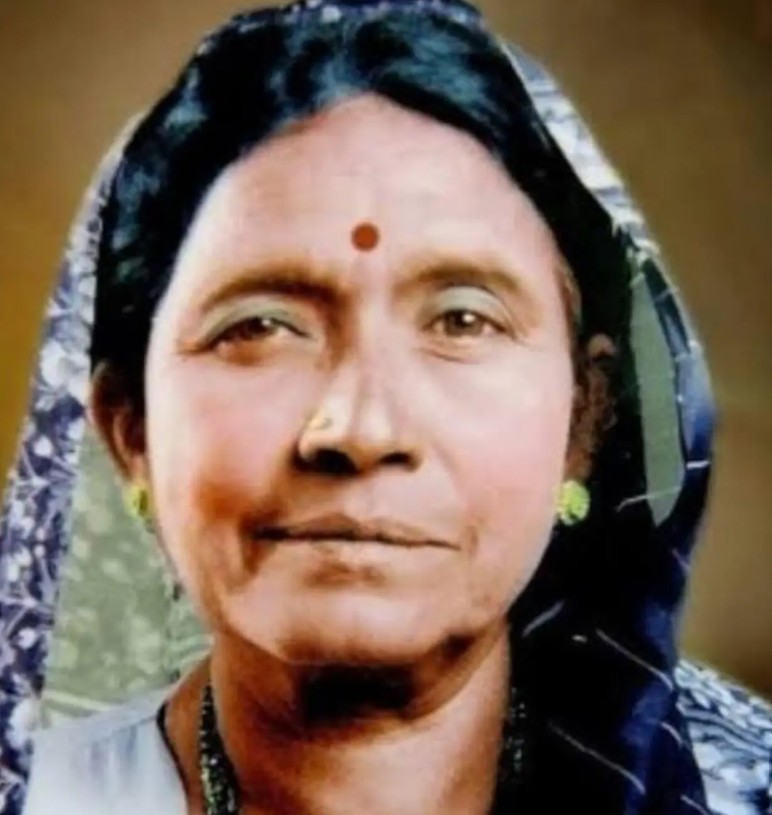
| Bio/Wiki | |
|---|---|
| Nickname | Vitha |
| Full Name | Vithabai Bhau Mang Narayangaonkar |
| Earned Name | Tamasha Samradni |
| Profession(s) | • Dancer • Singer • Tamasha Artist |
| Known for | Her contribution to Lavani and Tamasha (traditional Marathi folk theatre) |
| Physical Stats | |
| Eye Colour | Light Brown |
| Hair Colour | Salt & Pepper |
| Career | |
| Awards | Medals by the President of India (1957 and 1990) |
| Personal Life | |
| Date of Birth | 1 July 1935 (Monday) |
| Birthplace | Village Pandharpur, District Solapur, Maharashtra, India |
| Date of Death | 15 January 2002 |
| Place of Death | Narayangaon, Maharashtra, India |
| Age (at the time of death) | 66 Years |
| Death Cause | Paralytic Attack |
| Zodiac sign | Cancer |
| Nationality | Indian |
| Hometown | Solapur, Maharashtra |
| Religion | Hinduism |
| Caste | Scheduled Caste |
| Relationships & More | |
| Marital Status (at the time of death) | Married |
| Family | |
| Husband/Spouse | Anna Sawant Merchant |
| Children | Daughter(s) • Sandhya • Mangala Bansode (tamasha performer) 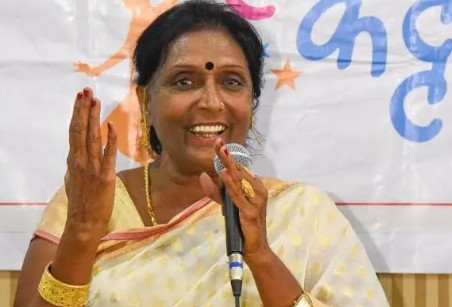 Note: She had many sons and daughters. |
| Parents | Father- Bhau Bapu Narayangaonkar Mother- Shantabai Narayangaonkar |
| Siblings | Sister(s)- 2 • Ramabai Narayangaonkar • Kesharbai Narayangaonkar |
| Other Relative | Grandfather- Narayan Khude |
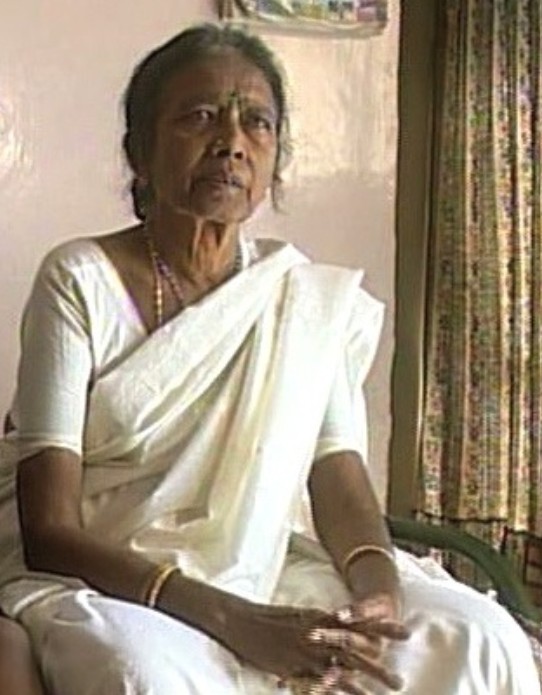
Some Lesser Known Facts About Vithabai Narayangaonkar
- Vithabai Narayangaonkar grew up in a family of artists.
- Her family ran a Tamasha group, called Bhau-Bapu Mang Narayangaonkar. Her father and uncle were the organisers of this group.
- This group was originally started by her grandfather, Narayan Khude, who belonged to Kavathe Yamai in Shirur taluka of Pune district.
- She left school when she was four or five years old.
-
When she was ten years old, she began performing Tamashas on stage. She never had received formal training before.
- After that, she became professional in many traditional folk art forms, such as Lavani, Gavlan, and Bhedik.
- In school, she was not a bright student. However, from a very young age, she performed on stage with confidence and natural talent.
- One of the famous events of her life happened when she was pregnant with her child. Even while nine months pregnant, she continued performing for her audience.
- During one of her performances, she realized that she was about to give birth. In this situation, she remained calm and patient.
- She handled the situation bravely and went backstage and delivered the baby herself. She cut the umbilical cord with a stone, got ready and returned to the stage.
- After that, the audience noticed that her baby bump had disappeared, they then asked the organisers what had happened.
- After learning about her dedication towards her work, the audience praised her that she continued performing, but they requested her to rest. The show was then stopped.
- She then became known as a legendary Tamasha artist from the village of Narayangaon in Maharashtra.
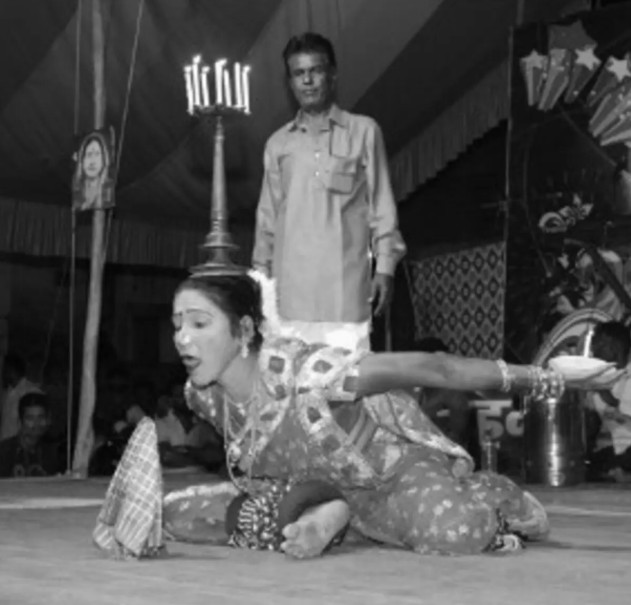
Vithabai Narayangaonkar while performing a show
- In 1957 and 1990, Vithabai Narayangaonkar received medals from the President of India for her contributions to the art form.
- Reportedly, she fought for the welfare of Tamasha artists throughout her whole life. She became successful in helping them in receiving pensions from the Maharashtra government.
- In 1962, during the Indo-China War, she traveled to the North-East Frontier Agency (NEFA) border, where she performed Tamasha shows and encouraged and boosted the morale of Indian soldiers.
- She used to perform Tamashas in various Indian states, such as Maharashtra, Delhi, and outside India.
- One famous story from her life involves the legendary actor Raj Kapoor. Once, in a crowded place, he accidentally passed her.
- Vithabai Narayangaonkar quickly stopped him and said,
Ae bhay, zara dekh ke chalo” (“Hey brother, watch where you’re going”).”
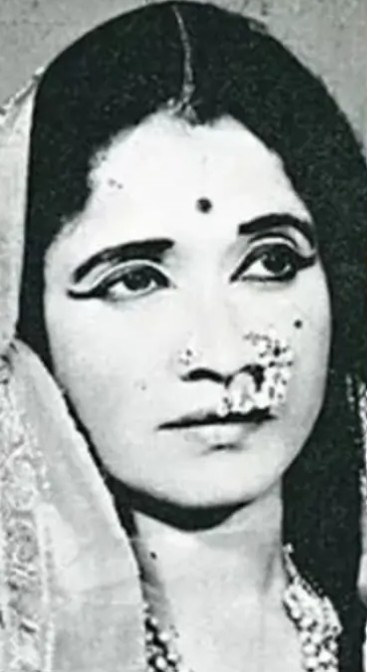
An old picture of Vithabai Narayangaonkar
- Reportedly, Raj Kapoor then got surprised.
- Later, Raj Kapoor offered her a role in a film, but she politely refused the offer, as she preferred performing on the traditional Tamasha stage.
-
In 1968, Vithabai Narayangaonkar was appointed as the President of the Akhil Bharatiya Tamasha Parishad (All India Tamasha Conference) in Pune, Maharashtra, India.
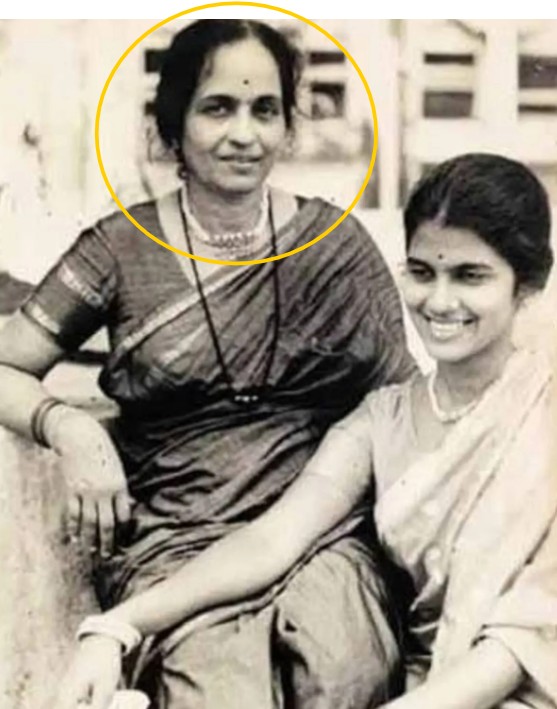
A young picture of Vithabai Narayangaonkar
- After that, she earned the name “Tamasha Samradini,” which means “Empress of Tamasha.”
- Later, the Government of India also recognised her with the same title.
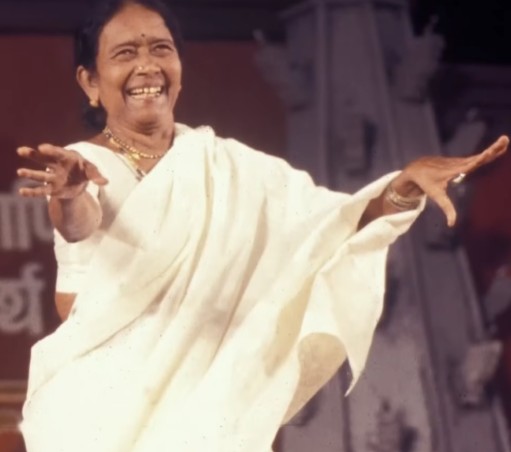
An old picture of Vithabai Narayangaonkar during a stage show
- Vithabai Narayangaonkar was married to Maruti Sawant. He was also known as Anna Sawant.
- Her husband was reportedly abused and exploited her.
- He tricked her and took her entire wealth which she had earned through years of hard work. Later, he left her.
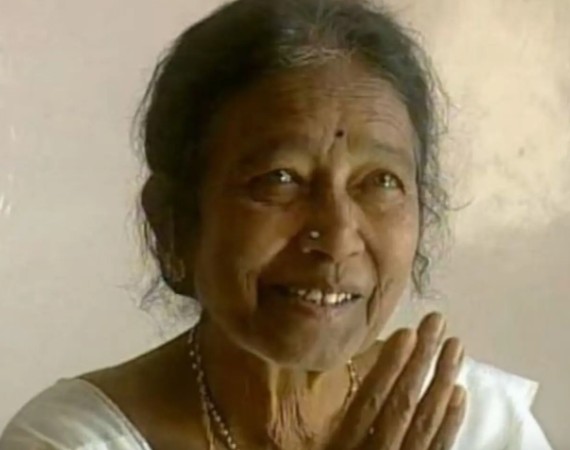
An old picture of Vithabai Narayangaonkar
- On 15 January 2002, Vithabai Narayangaonkar passed away at the age of 66 after suffering a paralytic attack.
- She died at KEM Hospital in Pune.
- Reportedly, her family was so poor at the time of her death that they could not pay the hospital bill of Rs. 5,900, which was required to submit at the hospital to release her body.
- After that, some local theatre groups collected money and paid the hospital bill.
- In 2006, the Government of Maharashtra started granting the Vithabai Narayangaonkar Lifetime Achievement Award in her memory.
- The award is granted every year to people who have made major contributions to preserving and promoting Tamasha art.
- After that, many artists have received this award. Names of some artists included Kantabai Satarkar, Vasant Avsarikar, Sulochana Nalawade, Haribhau Badhe, Mangala Bansode (Vithabai’s daughter), Sadhu Patsute, Ankush Khade, Prabha Shivanekar, Bhima Sangavikar, Gangaram Kavathekar, Radhabai Khode Nashikkar, and Madhukar Nerale.
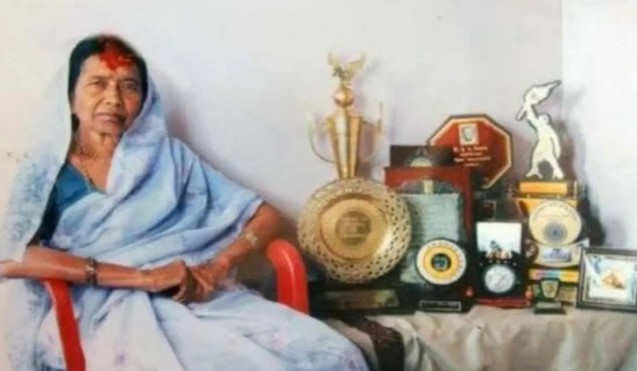
An old picture of Vithabai Narayangaonkar posing with her awards
- In 2017-2018, Lokshahir Bashir Momin Kavathekar received the award for his lifelong contributions to Lavani and Tamasha.
- In 2018-2019, Gulab Sangamnerkar received it for her work in Lavani and Tamasha.
- In 2019-2020, Aatambar Shirdhonkar received the award.
- In 2020-2021, Sandhya Mane received this award for her contributions to Tamasha.
- In 2026, Vithabai Narayangaonkar made headlines when a biographical film Eetha, based on her difficult and dramatic life, released on 28 August 2026.
- In the film, actress Shraddha Kapoor portrayed her, along with actors Randeep Hooda and Nana Patekar.
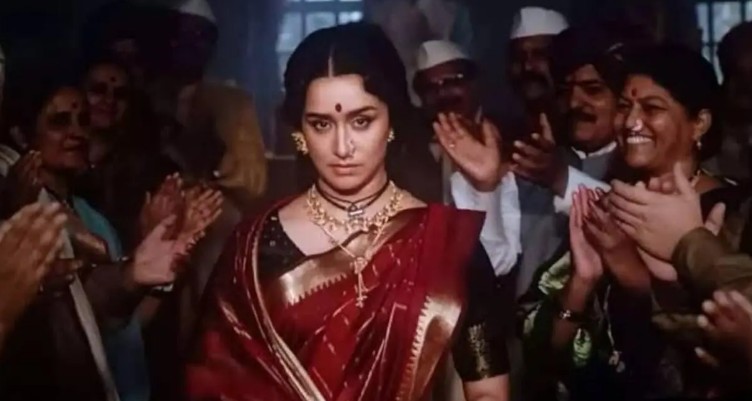
Shraddha Kapoor while playing Vithabai Narayangaonkar in the film Eetha
- In 2017, her life story inspired a Marathi play called Vitha, which showed her dedication to Tamasha. The play was presented by Hindustan Theatre Company. It was written by Om Bhutkar and directed by Shantanu Ghule.
- Om Bhutkar stated in a media talk that her fearless attitude toward life inspired him to organise a play on her life.
- The director of the play, Shantanu Ghule, explained that he picturized her love, passion, and commitment to Tamasha and Tamasha artists. He said,
She was young, she received many offers to work in films, but she rejected them because she believed that if she left Tamasha, her troupe—which provided jobs to many artists—would collapse.”
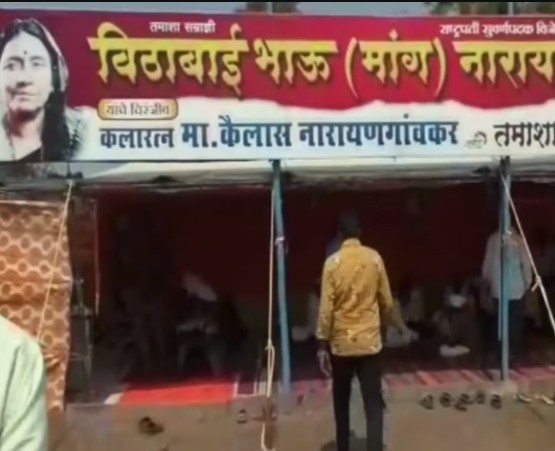
A picture of Vithabai Narayangaonkar’s Tamasha group
- The play also told about her relationship with husband. Reportedly, he made her life even more struggling.
- According to Ghule, her husband took her money that she earned from her performances. He also abused her physically.
- The play included live music and dance performances.
- In the play, actress Dharana Pandit played Vithabai, while Shantanu Ghule played her husband.
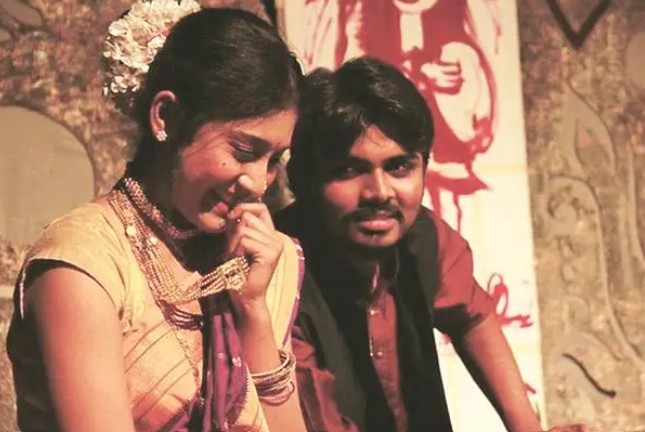
A still from the play ‘Vitha’
 Tamal Roy Chowdhury Age, Death, Wife, Children, Family, Biography
 Asha Bhosle Age, Death, Husband, Family, Children, Biography
 Bharti Kher, Age, Husband, Family, Biography & More
 Tillotama Shome Age, Husband, Family, Biography
 Amrita Sher-Gil Age, Death, Boyfriend, Husband, Family, Biography & More
 Bappi Lahiri Age, Height, Weight, Death, Wife, Children, Family, Biography & More
 Alpana Buch Age, Husband, Children, Family, Biography & More
 Gagan Dev Riar Age, Wife, Family, Biography & More