
Armida Fernandez Age, Husband, Children, Family, Biography
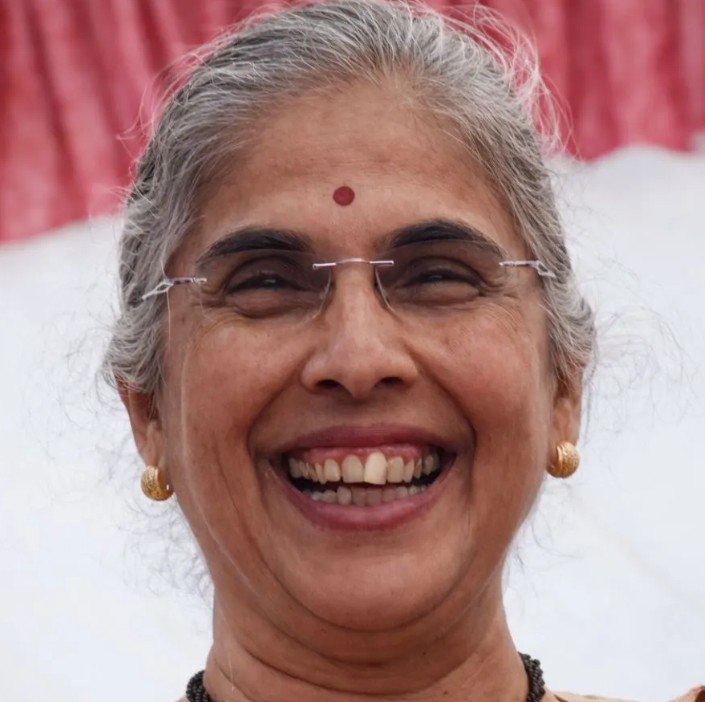
| Bio/Wiki | |
|---|---|
| Earned Name | Mother of Indian Neonatology |
| Profession(s) | Neonatologist and Pediatrician |
| Known for | Creating Asia's first human milk bank at Sion Hospital in Mumbai, India |
| Physical Stats | |
| Eye Colour | Black |
| Hair Colour | Salt & Pepper |
| Medicine | |
| Awards, Honours, Achievements | • Outstanding Woman of the City Award (1999) • Seva Ratnam Award (2000) • Women of the Year – Mayor's Award (2001) • Diwaliben Mohanlal Mehta Award for Excellence (2002) • Ashoka Social Entrepreneur Fellow (2004) • Lifetime Achievement Award from the Mumbai Breastfeeding Promotion Committee (2004) • Karmayogi Puraskar (2004) • Femina's 50 Most Powerful Women in India (2007) • Dr. B. N. Purandare Outstanding Service Award (2010) • QIMPRO Platinum Award for Healthcare Excellence (2013) • National Neonatology Forum Lifetime Achievement Award (2022) • Maharashtra National Neonatology Forum Lifetime Achievement Award (2022) • Indian Academy of Pediatrics – Neonatology Chapter Lifetime Achievement Award (2025) • Padma Shri (2026) • Lady of the Order of Pope St. Sylvester (2026) |
| Personal Life | |
| Date of Birth | 6 July 1943 (Tuesday) |
| Age (as of 2026) | 83 Years |
| Birthplace | Dharwad, Karnataka, India |
| Zodiac sign | Cancer |
| Nationality | Indian |
| Hometown | Dharwad, Karnataka |
| College/University | • Karnataka Medical College, Hubli • KEM Hospital, Bombay |
| Educational Qualification(s) | • MBBS from Karnataka Medical College, Hubli (1965) • MD in Paediatrics from KEM Hospital, Bombay (1971) |
| Religion | Christianity |
| Relationships & More | |
| Marital Status | Widow |
| Family | |
| Husband/Spouse | Rui Fernandez (doctor) (died in 2023)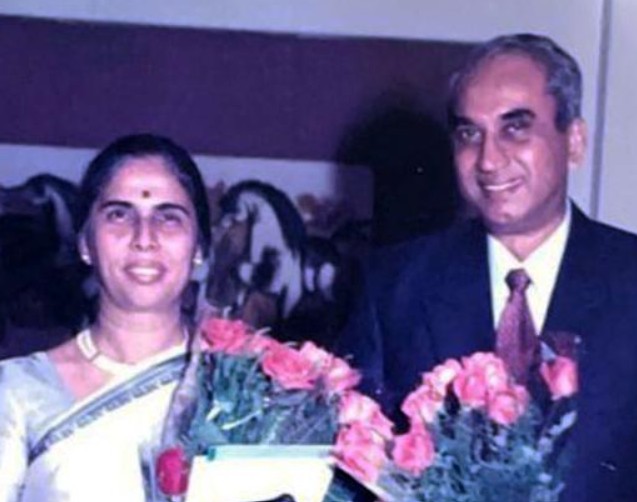 |
| Children | Daughter- Romila (deceased)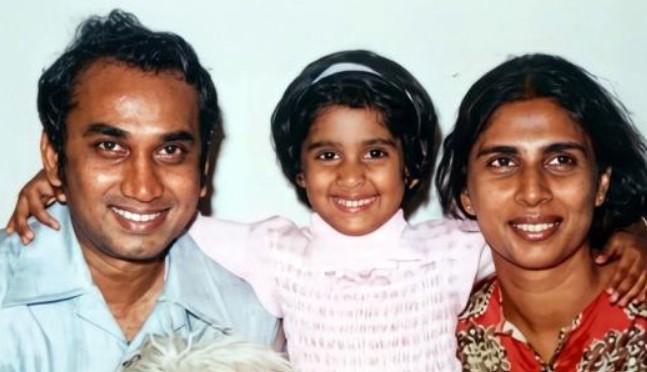 |
| Parents | Father- Armando Menezes (Indian civil servant, writer, academic, poet) Mother- Matilda Menezes 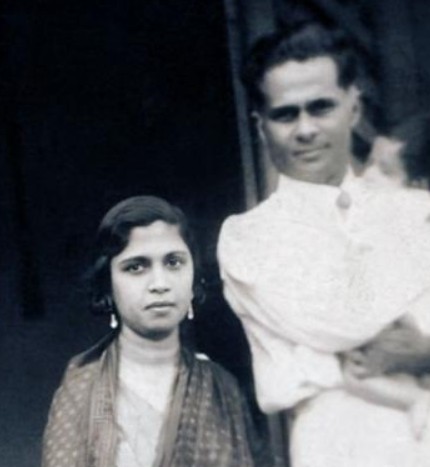 |
| Siblings | Brother(s)- 5 George Menezes (former Indian Air Force officer, diplomat, corporate executive) Sister- Ada 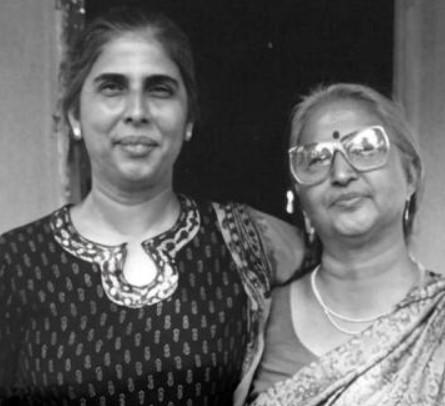 |
| Other Relatives | Uncle- Nicolau Menezes (Indian independence activist, teacher)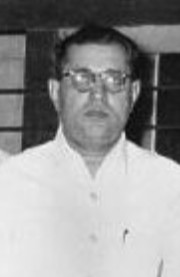 |
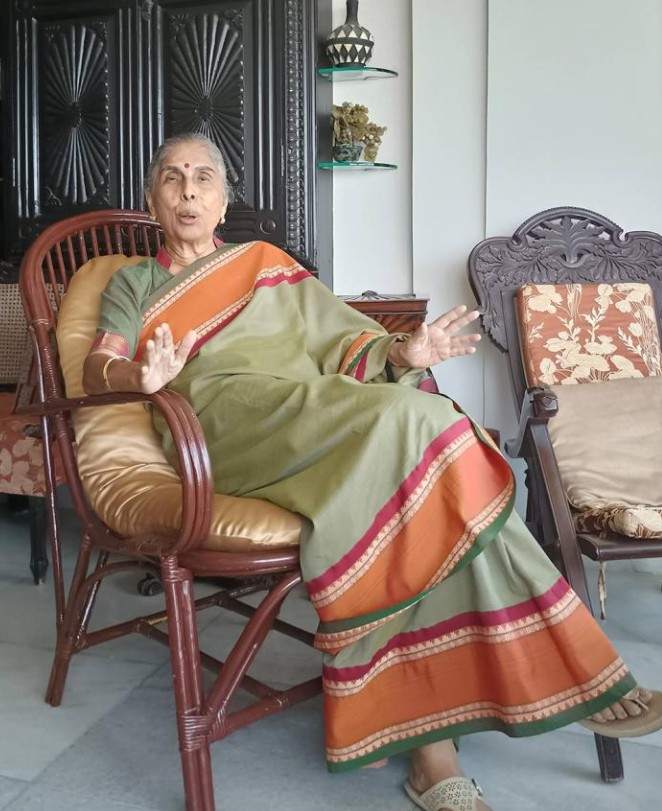
Some Lesser Known Facts About Armida Fernandez
- Armida Fernandez grew up in a large Goan family.
- Her family belongs to São Mathias village on Divar Island in Goa, in the Mandovi River.
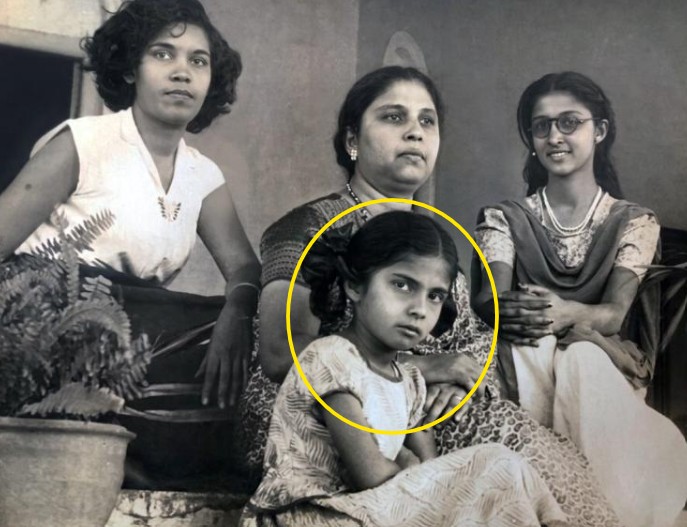
A childhood picture of Armida Fernandez, front, with her sister Ada and cousin Maria, and mother Matilda Menezes in Dharwad
- After completing her schooling, she was enrolled at Karnataka Medical College in Hubli, where she completed her MBBS in 1965.
- Armida Fernandez then shifted from Hubli to Mumbai to complete her postgraduate medical education.
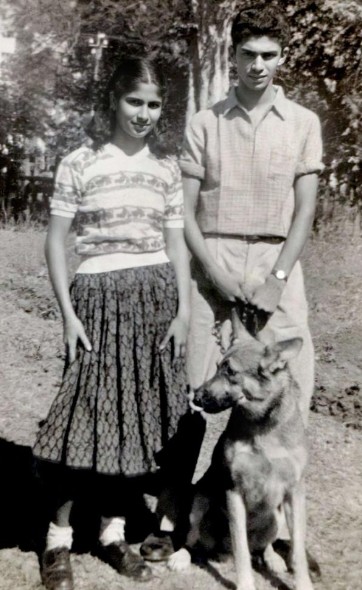
A teenage picture of Armida Fernandez with her brother and pet
- She completed her MD in Paediatrics in 1971 from King Edward Memorial and GS Medical College in Mumbai.
- During her MBBS studies, Armida Fernandez won five gold medals and received the President’s Silver Medal.
- After completing her postgraduate education, she joined Lokmanya Tilak Municipal Medical College and General Hospital in Sion, Mumbai, in 1972.
- During her period at Sion Hospital, she saw many babies dying because the hospital did not have expensive equipment, enough nurses, and other resources that were available in better-funded hospitals.
- In one of her interviews, she stated that when she started working at Sion Hospital, the hospital had about 16,000 deliveries a year and many premature and sick babies were dying. She said,
I was asked to help reduce the death rate, but I had very little money and limited equipment to work with. Instead of waiting for expensive technology, I began looking for simple and low-cost solutions.”
- Armida Fernandez believed that good medical care did not always require expensive machines. Sometimes a simple idea, used properly, could save a baby’s life.
- In 1977, she started working as a Professor and Head of Neonatology at Sion Hospital. She held the position till 1999.
- She then served as a Dean of the hospital from 1999 to 2001.
-
During her work, she noticed that some mothers could not breastfeed their babies because they were sick, had died, were separated from their babies or could not produce enough milk.
-
At the same time, some premature babies needed breast milk because they were vulnerable to infections.
-
She also noticed that some newborn babies were becoming seriously ill after being given formula feeds.
-
After that, Armida Fernandez began thinking about a safer source of human milk for babies whose own mothers could not provide it.
-
She then got the idea of a human milk bank.
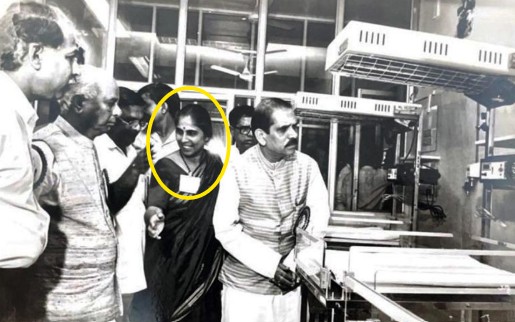
An old picture of Armida Fernandez and then Maharashtra chief minister Manohar Joshi at the neonatal unit at the Lokmanya Tilak Municipal General Hospital in Sion, Mumbai
-
On 27 November 1989, Armida Fernandez established the first human milk bank in Asia at Sion Hospital, Mumbai.
-
In this milk bank, healthy mothers who had extra breast milk could donate it. The milk would be collected, checked, pasteurised, and stored safely. It could then be given to premature and sick babies who needed it.
-
Initially, the idea faced a lot of doubt.
-
Some medical officers worried about the safety of the donated human milk. There were cultural concerns also, because milk from one mother was being given to another woman’s baby.
-
However, Armida Fernandez continued with the project.
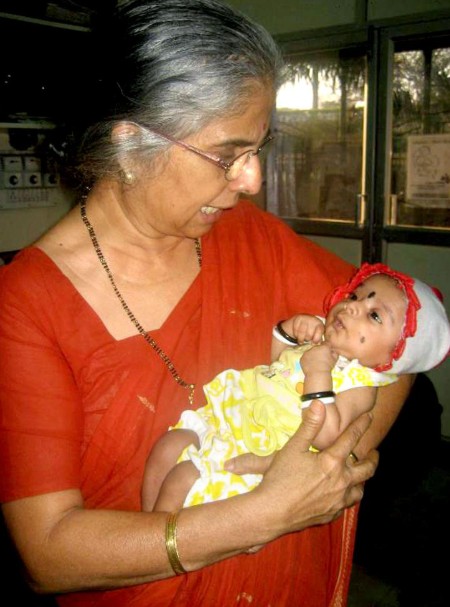
Armida Fernandez with an infant
-
Once, during a media talk, she said that she did not face any hesitation from mothers. Many mothers understood that babies needed milk, and some women were already helping other babies by informally breastfeeding them.
-
The milk bank first received financial help from private donors.
-
After working on the idea for about five years, it was taken over by the Brihanmumbai Municipal Corporation (BMC). The idea later became a model for other human milk banks in India.
- Armida Fernandez also allowed mothers to enter the neonatal unit and participate in caring for their babies.
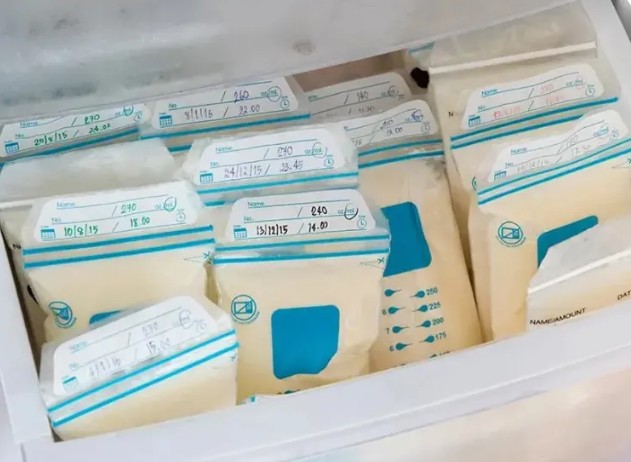
A picture of human milk being stored
- Later studies showed that this did not increase infections and benefitted the babies.
- She also promoted breastfeeding and skin-to-skin care rather than depending only on expensive medical equipment.
- She used simple methods to keep newborns warm, such as the use of overhead lamps as a low-cost source of warmth for babies.
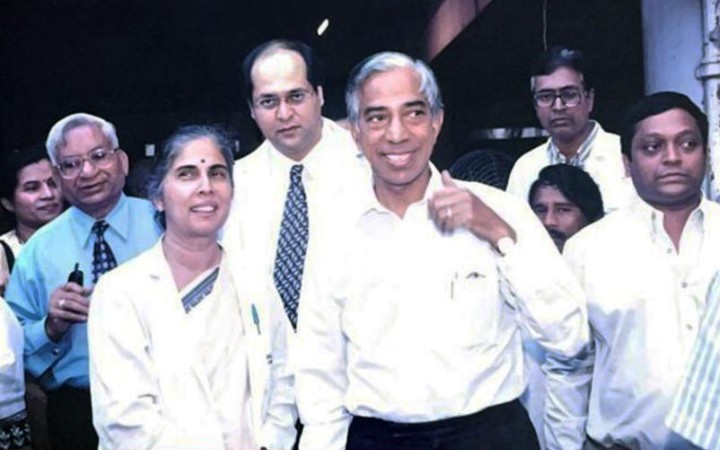
Armida Fernandez posing with her colleagues at the Lokmanya Tilak Municipal General Hospital
-
After that, UNICEF started helping Armida Fernandez in preparing a manual and educational videos on breastfeeding.
-
This manual then became popular as the “Blue Module.” Reportedly, it was used for training healthcare workers in Maharashtra and other states of India.
- She also started conducting training programmes for maternity homes and promoted the Baby Friendly Hospital Initiative.
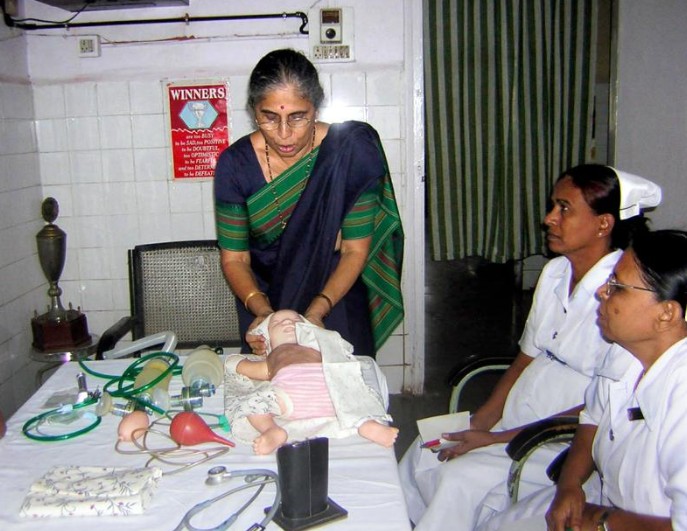
Armida Fernandez during a training session
- After that, she became associated with the Mother, Infant and Young Child Nutrition (MIYCN) programme.
- Armida Fernandez has published many research papers on neonatal care and breast milk banking. It includes a list of several publications on feeding premature babies, setting up neonatal intensive care units, and breast milk banking.
- She has served as President of the National Neonatology Forum and is a Fellow of both the National Neonatology Forum and the Indian Academy of Pediatrics.
- She also helped in developing advanced training in neonatology. Under her leadership, Sion Hospital became a centre for post-doctoral training in neonatology, including a DM Neonatology course.
- After that, she once realised that hospitals alone could not solve all health problems, especially for poor women and children.
-
Armida Fernandez then started going to poor areas in Mumbai, where she observed that many mothers had no knowledge of self care. They lack money and did not know how to get proper healthcare after their babies were discharged from the hospital.
- She once treated a six-week-old baby who had been sexually assaulted. The incidence made her think about the problems faced by women and children outside hospitals.
- She then decided to address these social issues.
- In 1999, Armida Fernandez, along with Mary Patricia Soans, founded SNEHA – Society for Nutrition, Education and Health Action with a group of neonatologists and philanthropists.
- SNEHA began working in some of Mumbai’s poorest areas, including Dharavi.
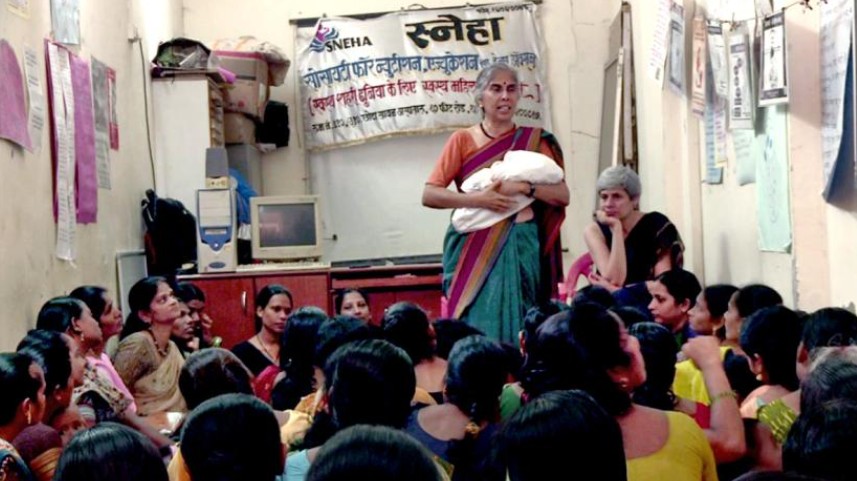
Armida Fernandez while talking about health, nutrition, raising babies while working with less-privileged communities under the SNEHA banner
- She was an Ashoka Fellow in 2004.
- Her later was deeply affected by the death of her only child, Romila, who developed lymphoma when she was 16. She later developed breast cancer and died in October 2013, in her thirties.
- In 2017, Armida Fernandez and her husband started Romila Palliative Care through SNEHA in memory of her daughter.
- During her period at Holy Family Hospital, she noticed that the children of some older people had lived abroad.
- These elderly people were often physically weak and lonely. So, she started Connect and Care to support home-bound senior citizens.
- Armida Fernandez then started i-Care, which teaches ordinary people basic emergency cardiac care.
- She then joined the Holy Family Hospital in Bandra, Mumbai, as Medical Director.
- In 2023, her husband, Rui, died after being seriously ill. Reportedly, he had required dialysis and Armida herself had performed dialysis at home when he was very ill.
- In January 2026, Armida Fernandez made headlines when the Government of India awarded her the Padma Shri in Medicine.
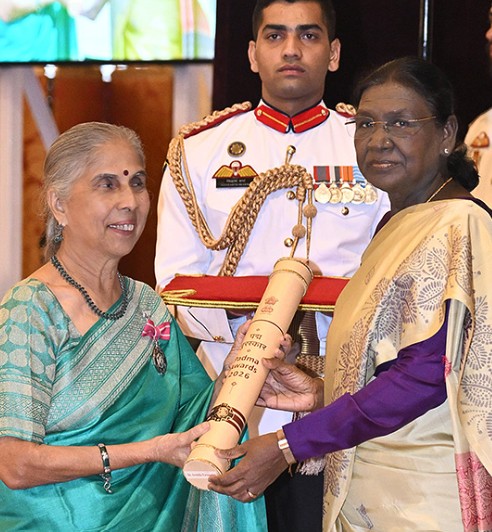
Armida Fernandez while receiving Padma Shri
- On 29 January 2026, the Archdiocese of Bombay announced that she had been made a Lady of the Order of Pope St. Sylvester.
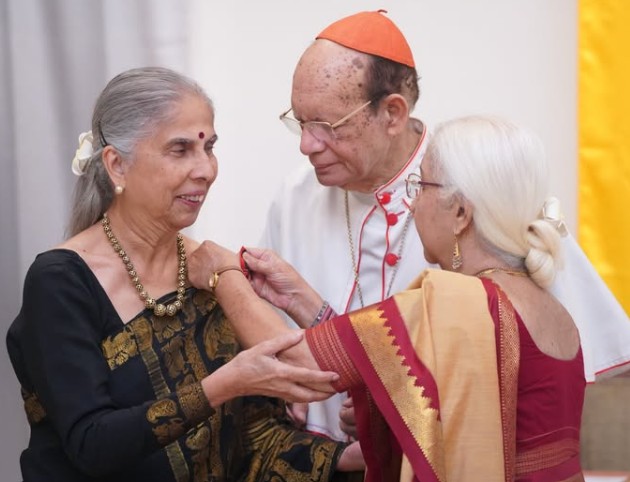
Armida Fernandez while receiving Lady of the Order of Pope St. Sylvester
 Dr Swati Maheshwari Age, Husband, Children, Family, Biography & More
 Dr Paramjeet Singh Age, Family, Biography & More
 Dr. Shagun Batra Age, Boyfriend, Family, Biography & More
 Dr. Anjali Hooda Sangwan Age, Husband, Children, Family, Biography & More
 Dr Kumar B.G Height, Age, Family, Biography & More
 Dr Neelam Singh (The Skin Doctor) Age, Family, Biography
 Dr Priti Challa Age, Boyfriend, Husband, Children, Family, Biography
 Dr Richa Negi Age, Height, Boyfriend, Family, Biography & More