
Dr. Budhri Tati (Social Worker) Age, Biography
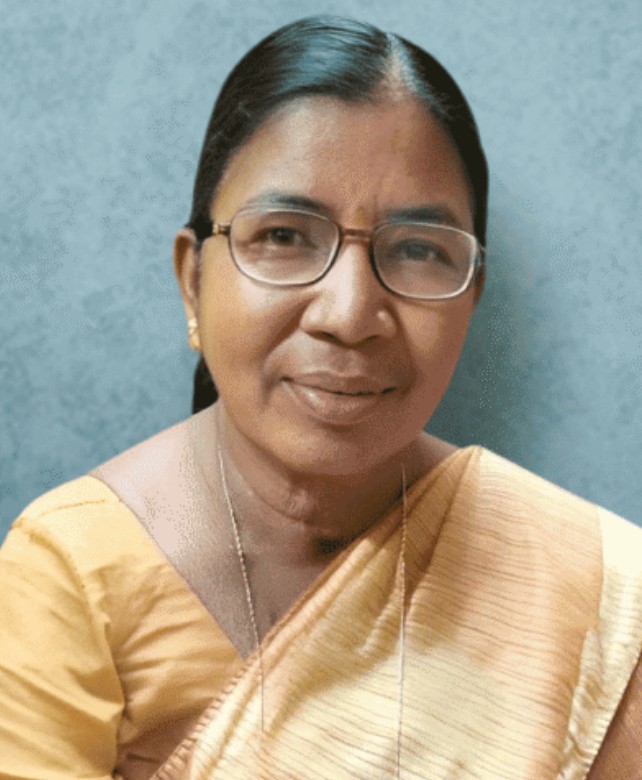
| Bio/Wiki | |
|---|---|
| Earned Name(s) | • "Badi Didi" (Elder Sister) • "Bua" (Aunt) |
| Profession(s) | • Social Worker • Social Reformer |
| Known for | Receiving Padma Shri Award in 2026 for her forty years of work in empowering tribal women and marginalized communities in tribal and Naxal affected regions of Chhattisgarh |
| Physical Stats | |
| Eye Colour | Black |
| Hair Colour | Salt & Pepper |
| Career | |
| Award | Padma Shri (2026)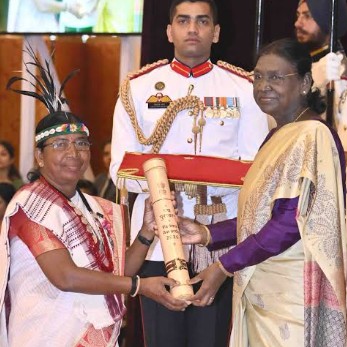 |
| Personal Life | |
| Date of Birth | 15 September 1966 (Thursday) |
| Age (as of 2025) | 59 Years |
| Birthplace | Village Hiranar, District Dantewada, Chhattisgarh, India |
| Zodiac sign | Virgo |
| Nationality | Indian |
| Hometown | Dantewada, Chhattisgarh |
| Caste | Adivasi |
| Food Habit | Non-vegetarian |
| Relationships & More | |
| Marital Status | Unmarried |
Some Lesser Known Facts About Dr. Budhri Tati
- At the age of six, she started helping other people during her school days.
- As a young child, she believed that education and social service could change the lives of poor and marginalized people in tribal areas.
- As she grew older, the decided to pursue helping poor in tribal areas.
- When she was 15 years old, she realized that the lack of education was one of the biggest challenges that her community was facing.
- Budhri Tati also noticed that many tribal children were not going to school as their parents believed that education was not important. The schools were also far away.
- She then started visiting those families and convinced the parents that education could give a better future to their children.
- In 1984, she started working as a community worker.
- In the 1990s, Budhri Tati started an informal primary school for tribal children who had no opportunity to study.
- Since then, more than thousand children and young people enrolled in that school to get education.
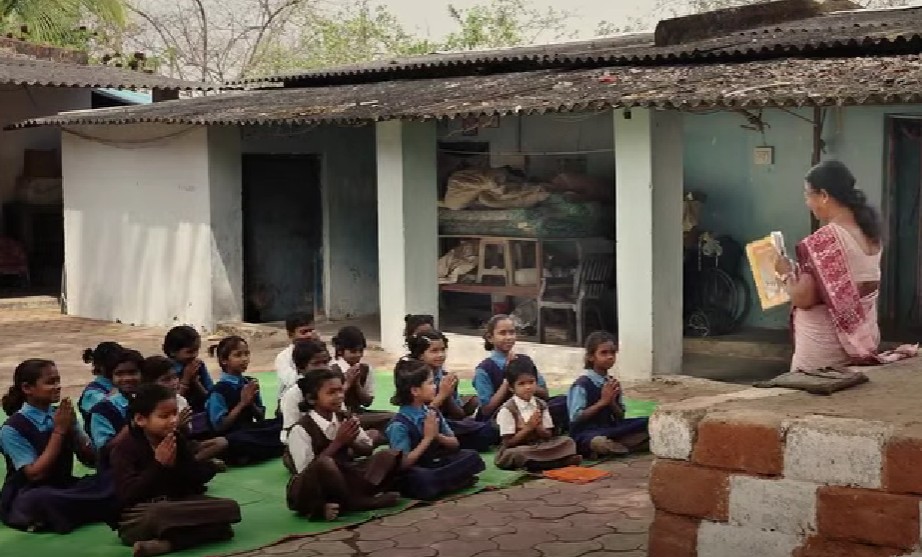
Budhri Tati teaching at her school
- At school, she encouraged small children to attend school regularly, specifically the children of the villages, which are affected by Naxal attacks.
- Budhri Tati taught many families that education was the only method to remove poverty and improve their lives.
- Later, she became known for being a tribal social reformer from Chhattisgarh.
- All of her life, she worked for the welfare of tribal communities in the state.
- She worked on improving healthcare facilities and education, and helping tribal families to become socially and financially strong.
- She served the marginalized people living in some of the most remote and difficult areas of the state.
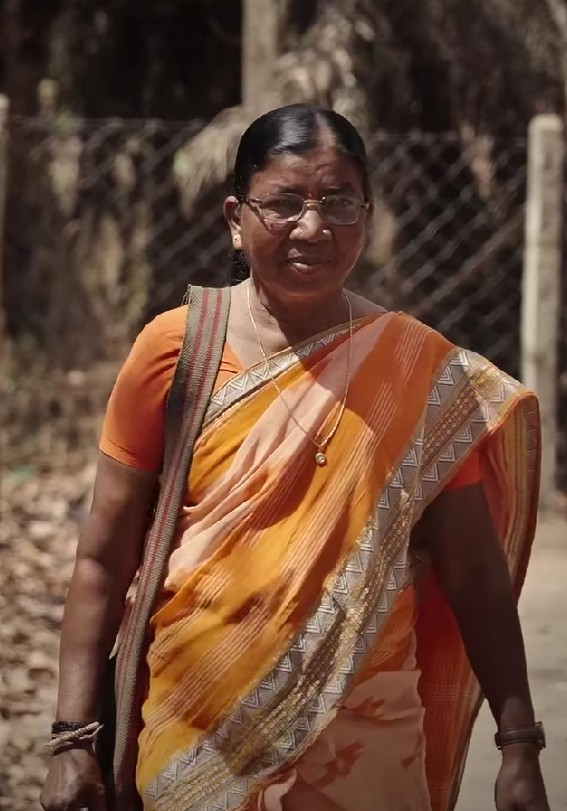
- She traveled more than 570 remote villages on foot to meet these people, who reportedly had little or no access to basic facilities of life.
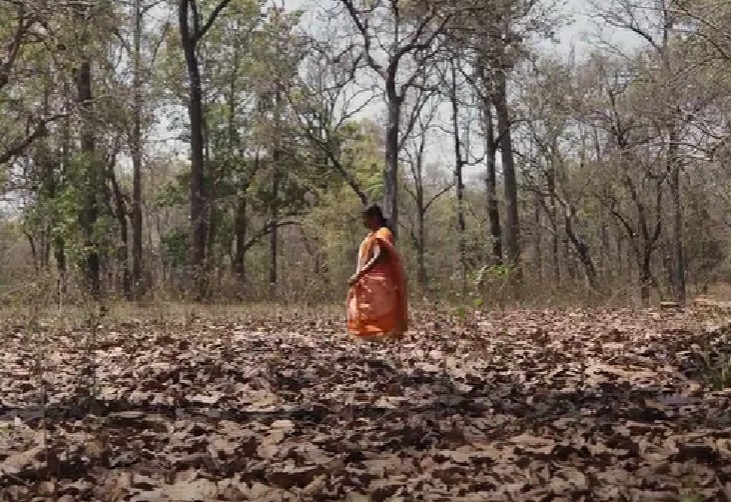
Budhri Tati, walking alone, in a difficult tribal area in Chhattisgarh, to reach a camp or program
- As of 2026, she worked and walked for more than forty year through forests, hills, and isolated villages to provide help wherever it was needed.
- During these years, Budhri Tati received life-threatening threats, she was attacked, and was opposed by many local groups. However, she continued serving tribal communities.
- According to her, when she visited some isolated villages, she noticed that they did not have proper health centers and doctors.
- She then decided to connect these villages with healthcare services.
- After that, Budhri Tati started organising free medical check-ups, health camps, and awareness programs and educated people about serious diseases.
- She made villagers aware about the sickle cell disease, anaemia, malaria, childhood malnutrition, kidney diseases, and many other health problems that were common in tribal areas.
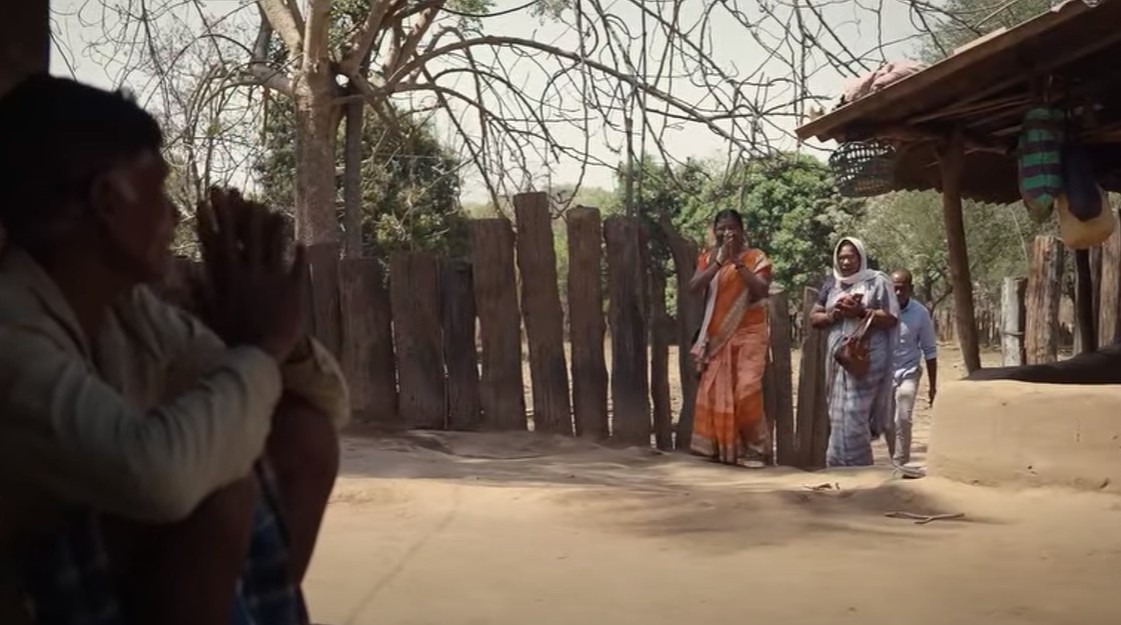
Budhri Tati while reaching an awareness program
- She mixed both traditional knowledge and modern medicine to remove these diseases.
- Budhri Tati prefered traditional tribal herbal remedies whenever needed earlier. However, she encouraged villagers to visit trained doctors and get proper medical treatment when they were sick.
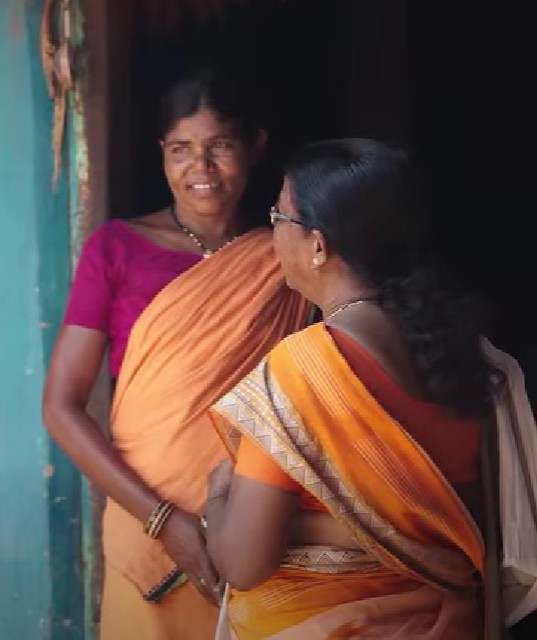
Budhri Tati while talking to a tribal woman
- She repeatedly taught people not to ignore the signs of illness.
- With the mix of these traditional practices with modern healthcare, she saved many mothers and their new born babies from dying.
- After that, she started many Self-Help Groups (SHGs), which teaches women to support each other by learning new skills. It tells them to earn money and become financially independent.
- In these groups, she taught women to speak against domestic violence and social discrimination with confidence.
- Budhri Tati encouraged poor women to speak up for their rights so that they could build better lives for themselves and their families.
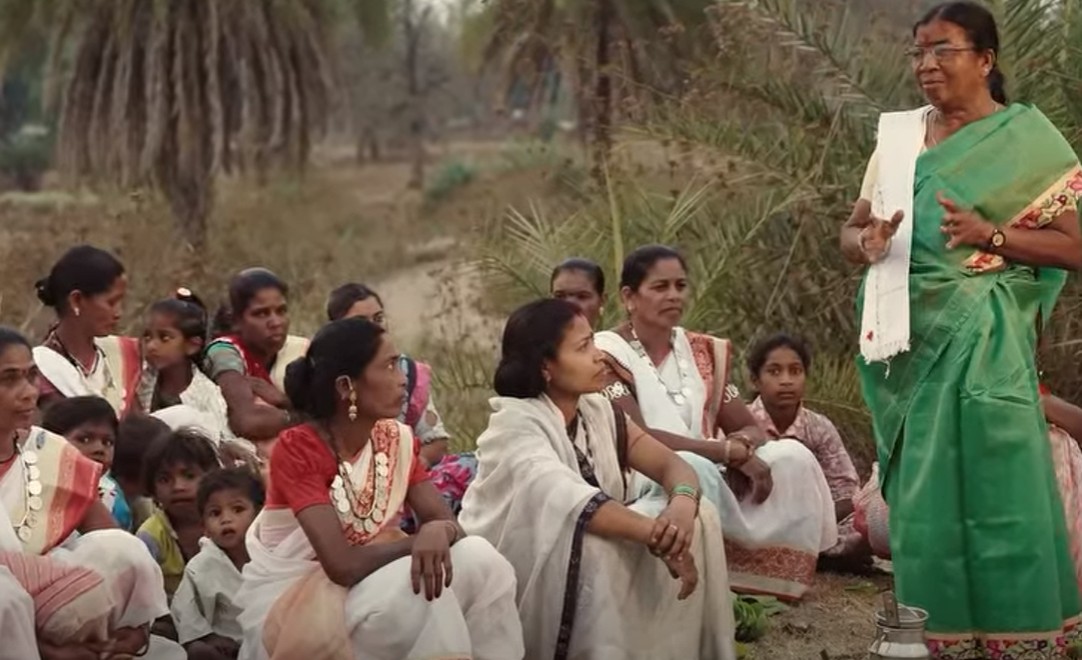
Budhri Tati while explaining and teaching women
-
She organised rallies against alcohol addiction in these areas and spread awareness about the harmful effects of addiction.
- Budhri Tati encouraged men to reduce drinking alcohol. She participated in many movements which worked against alcohol consumption.
- She believed that alcohol was destroying many families and creating social problems.
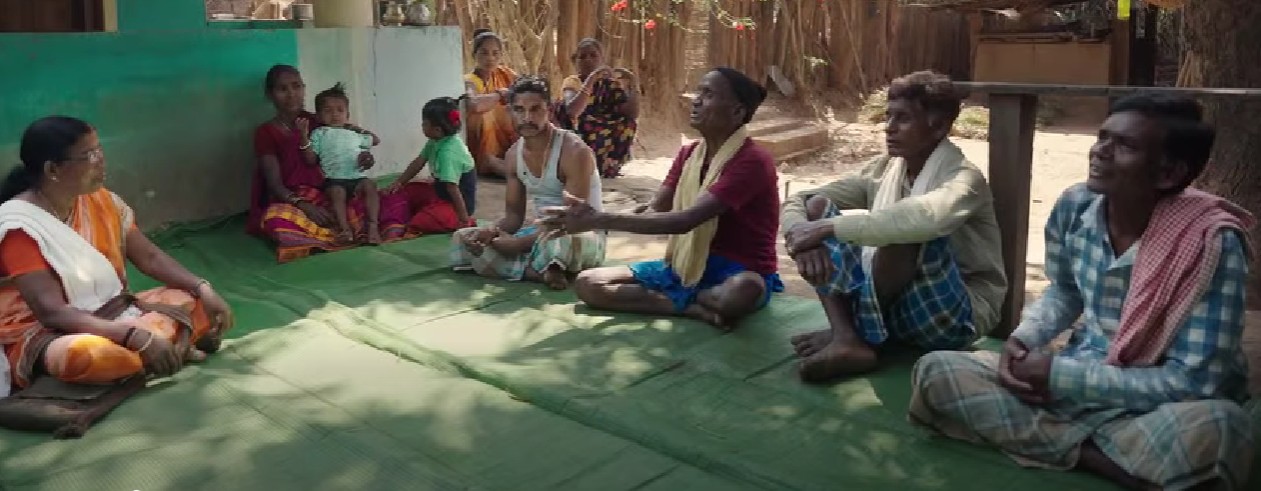
Budhri Tati in a conversation with men about alcohol eradication movements
- She started Maa Shankhini Mahila Utthan Sanstha, a residential support network, to support poor women.
- Reportedly, as of 2026, more than 500 tribal women received training under her guidance. These women learned sewing and tailoring skills. They learnt stitching clothes and earn an income.
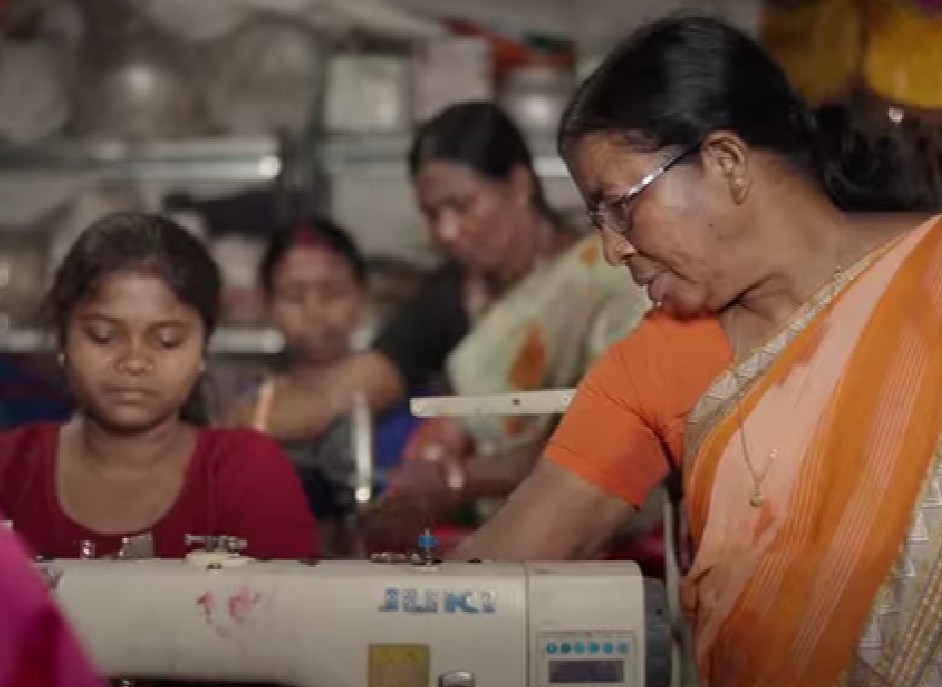
Budhri Tati while teaching stitching to young women
- Budhri Tati has also worked for poor girls and old people. She has contributed to many old-age homes.
- She has also worked in the remote Abujhmad region, which is known for its tough terrain and long history of Naxal activity. She earned the trust of local tribal communities of these areas by working for many years.
- The Chhattisgarh government once honored her for her volunteer contribution to society and social work.
-
The people call her “Dr. Budhri Tati.” She did not receive the title ‘Dr.” through a regular university degree or medical education. It is an honorary doctorate awarded to her to respect her work.
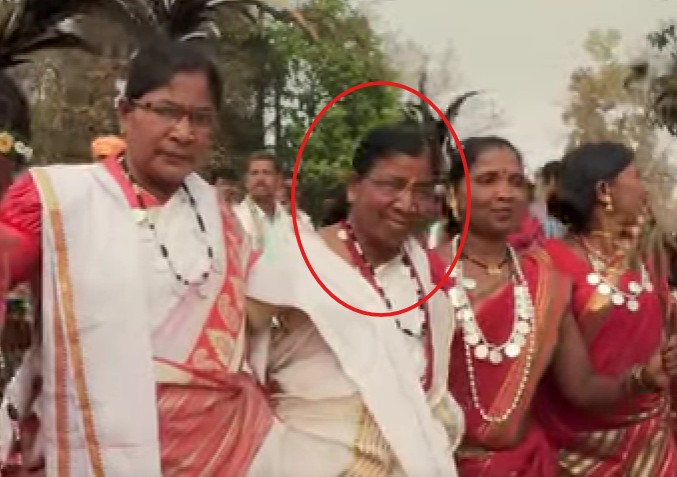
Budhri Tati while enjoying with the local people of tribal areas
- In May 2026, Dr. Budhri Tati made headlines when she received the Padma Shri for her four decades of service in the Naxal-affected Bastar division of Chhattisgarh.
- The President of India, Droupadi Murmu, presented her the award during the Civil Investiture Ceremony held at Rashtrapati Bhavan on 25 May 2026.
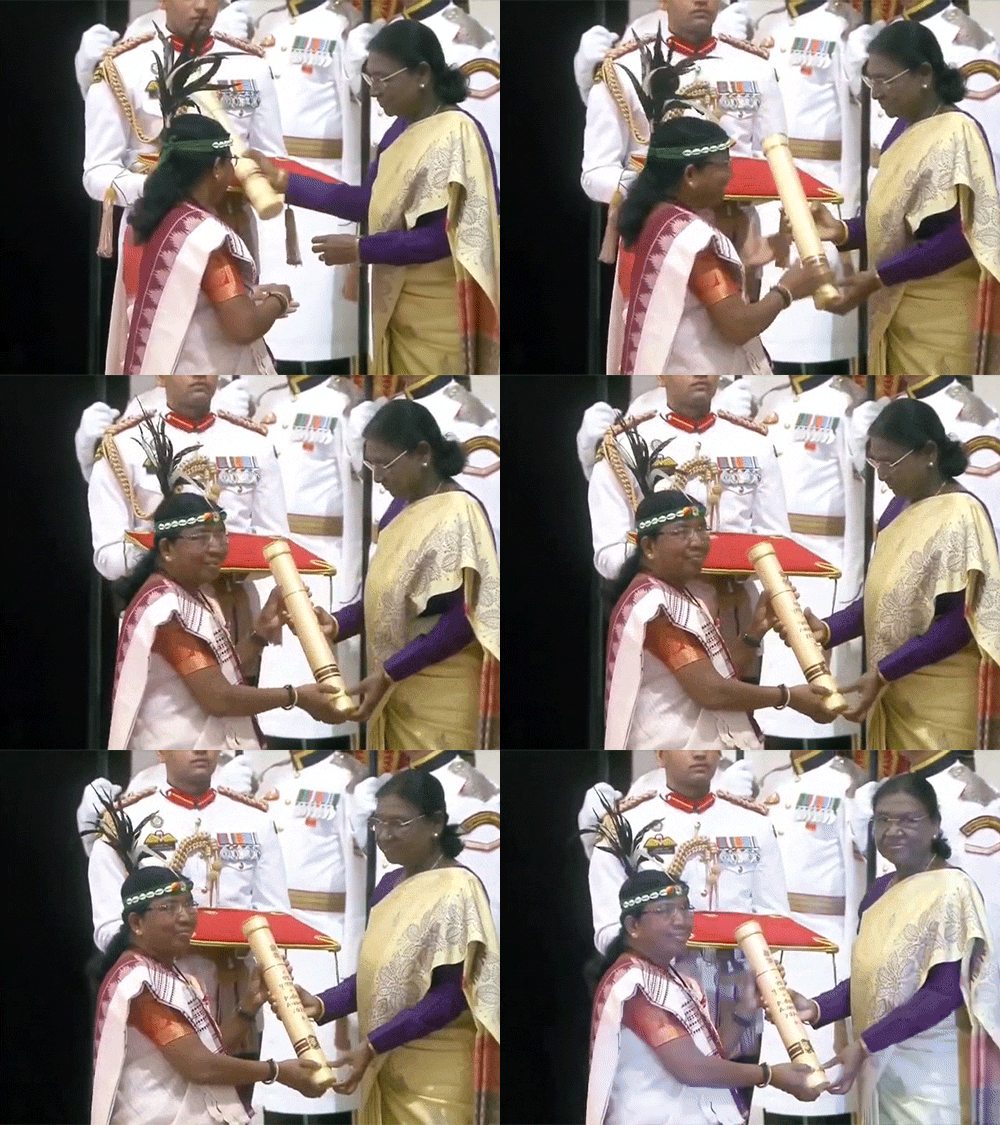
Dr. Budhri Tati while receiving the Padma Shri from the President of India
- During the award ceremony, Dr. Budhri Tati came into the limelight for her traditional tribal dress of Bastar.
- After the ceremony, many people on social media noticed that Dr. Budhri Tati and President Droupadi Murmu looked somewhat alike. This led to rumors on social media which claimed that the two women were related.
- Later, some official reports stated that the claims were fake as President Droupadi Murmu belongs to the Santhal tribe of Odisha, while Dr. Budhri Tati belongs to a tribal community in Chhattisgarh.
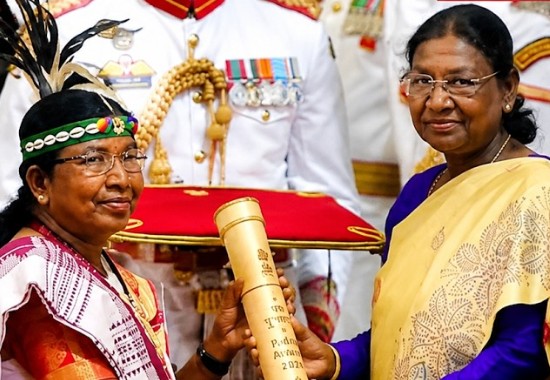
A picture of Dr. Budhri Tati with Draupadi Murmi, in which they were looking alike
- After receiving the Padma Shri, Dr. Budhri Tati stated in the media that she was feeling proud. She said,
It’s a proud moment for my tribal community, nearly 545 women were educated through my efforts.”
In the same talk, she counted the number of women she helped in education and narrated her journey. Dr. Budhri Tati said,
Through education, I have made 565 sisters literate. I have been involved in this service since 1984. When I first received a call from the government, I could not understand it properly. Later, I was told that I had been selected for the Padma Shri.”
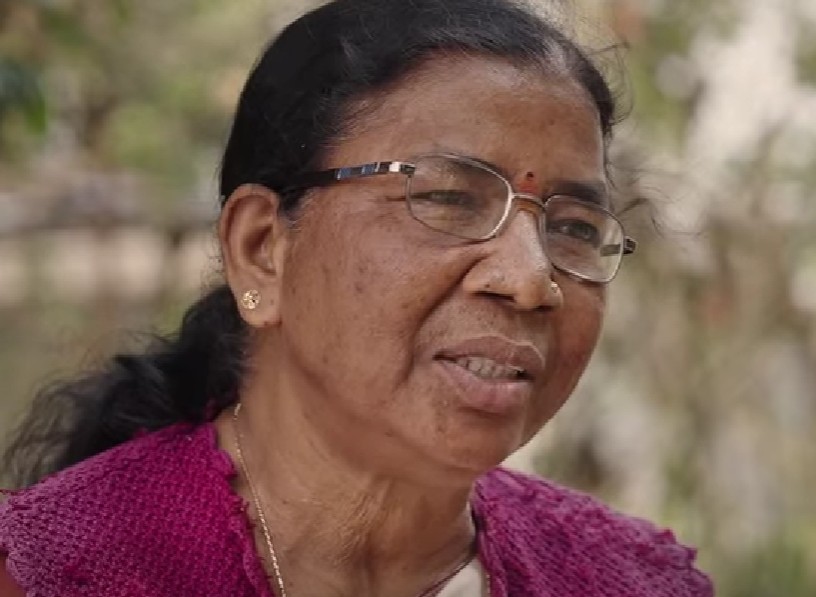
Budhri Tati during a media conversation
 Sindhutai Sapkal Age, Death, Husband, Children, Family, Biography & More
 Rishi Bhel Age, Height, Family, Biography & More
 Ravi Katpadi (Social Worker) Age, Wife, Biography & More
 Swami Vivekananda Age, Death, Wife, Family, Biography
 Prakash Amte Age, Wife, Children, Family, Biography & More
 Vijay Barse Age, Wife, Family, Children, Biography & More
 Phoolbasan Bai Yadav Age, Husband, Children, Family, Biography & More
 Monica Purohit Age, Husband, Family, Children, Biography & More